Indigenous Peoples of the Russian Arctic
A Diverse Arctic Region
The Russian Arctic is home to a wide range of Indigenous peoples with distinct languages, cultures, and traditional livelihoods.
While the Sámi inhabit parts of northwestern Russia (in the Kola Peninsula), many other Indigenous groups live across Siberia and the Russian Far East.
These include, among others:
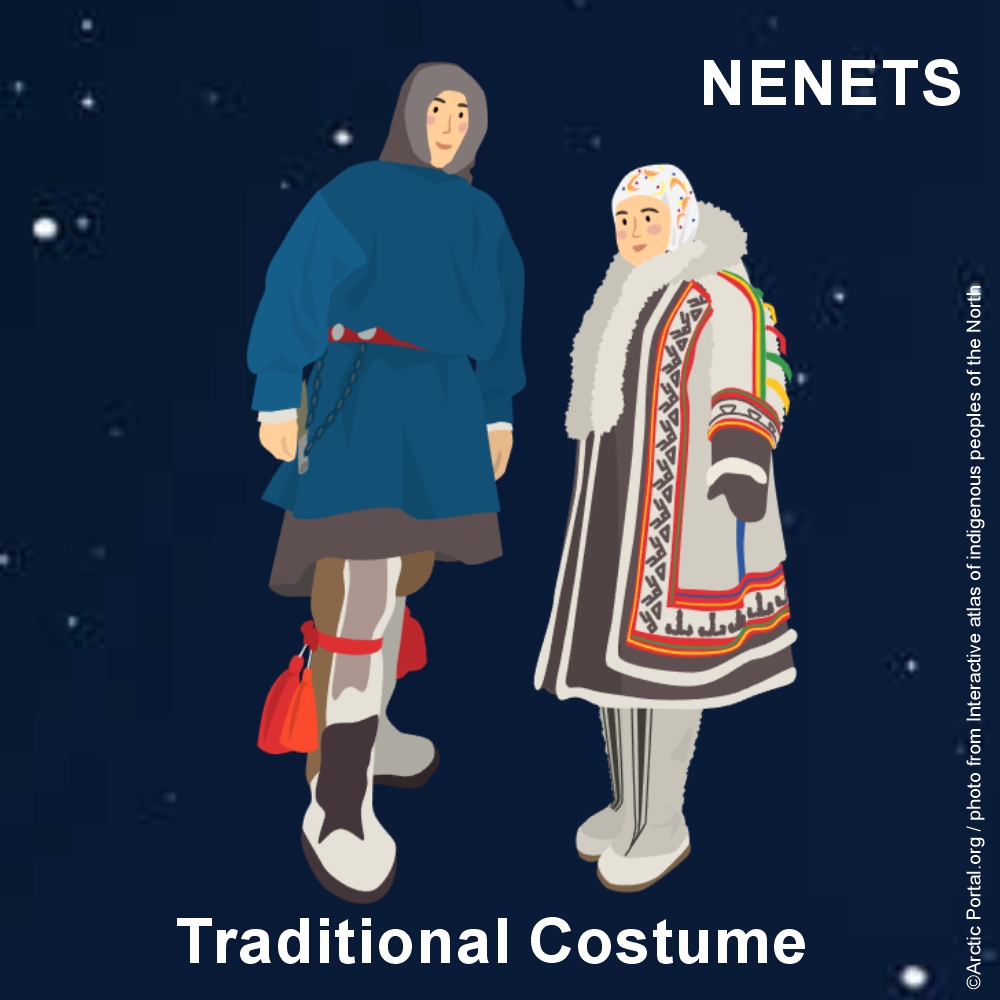
- Nenets (northwestern Siberia)
- Nganasan (Taimyr Peninsula)
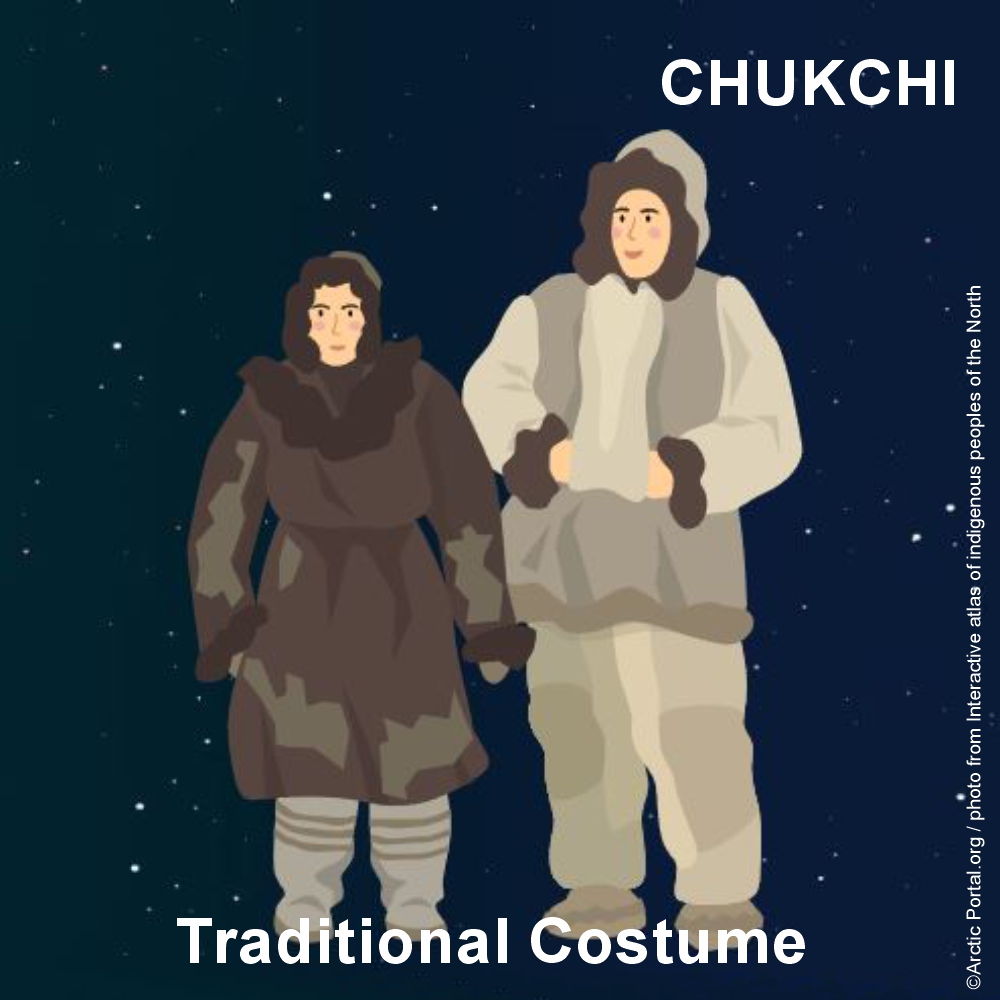
- Chukchi (Chukotka Peninsula)
- Enets (Krasnoyarsk Territory)
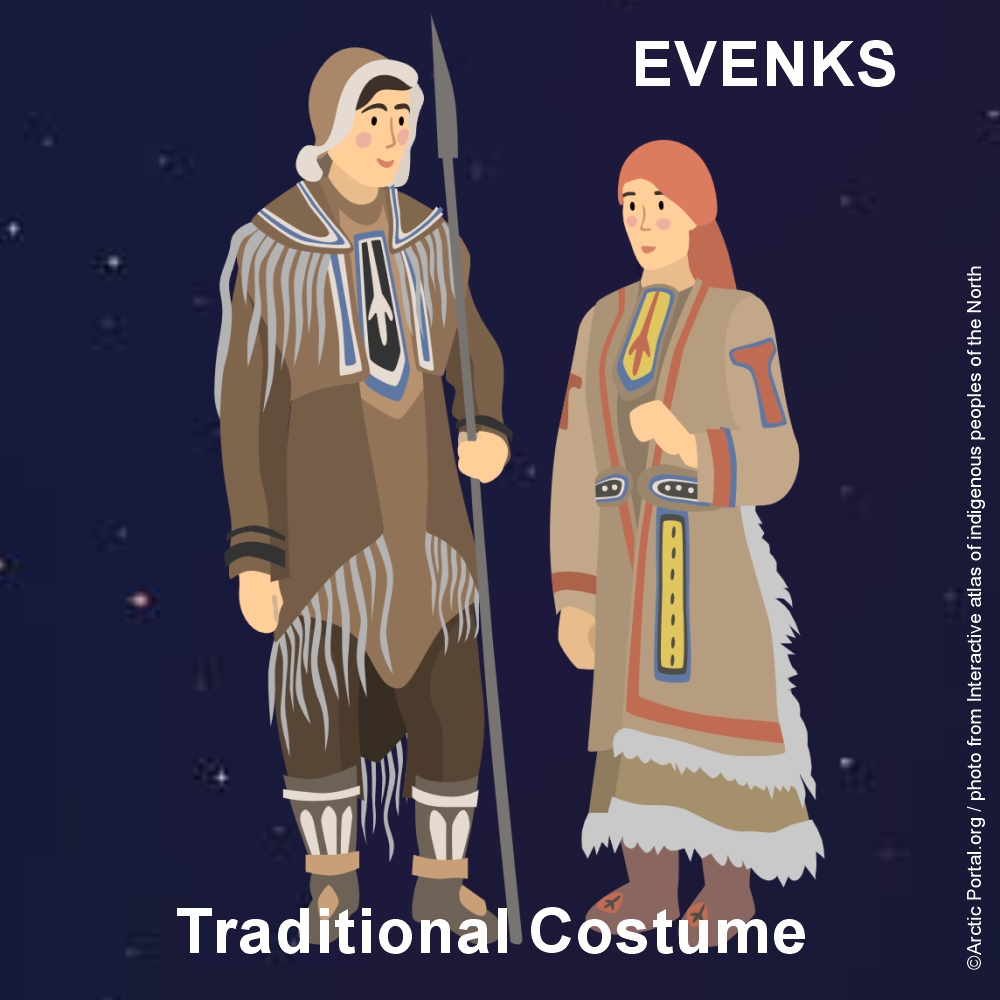
- Evenks
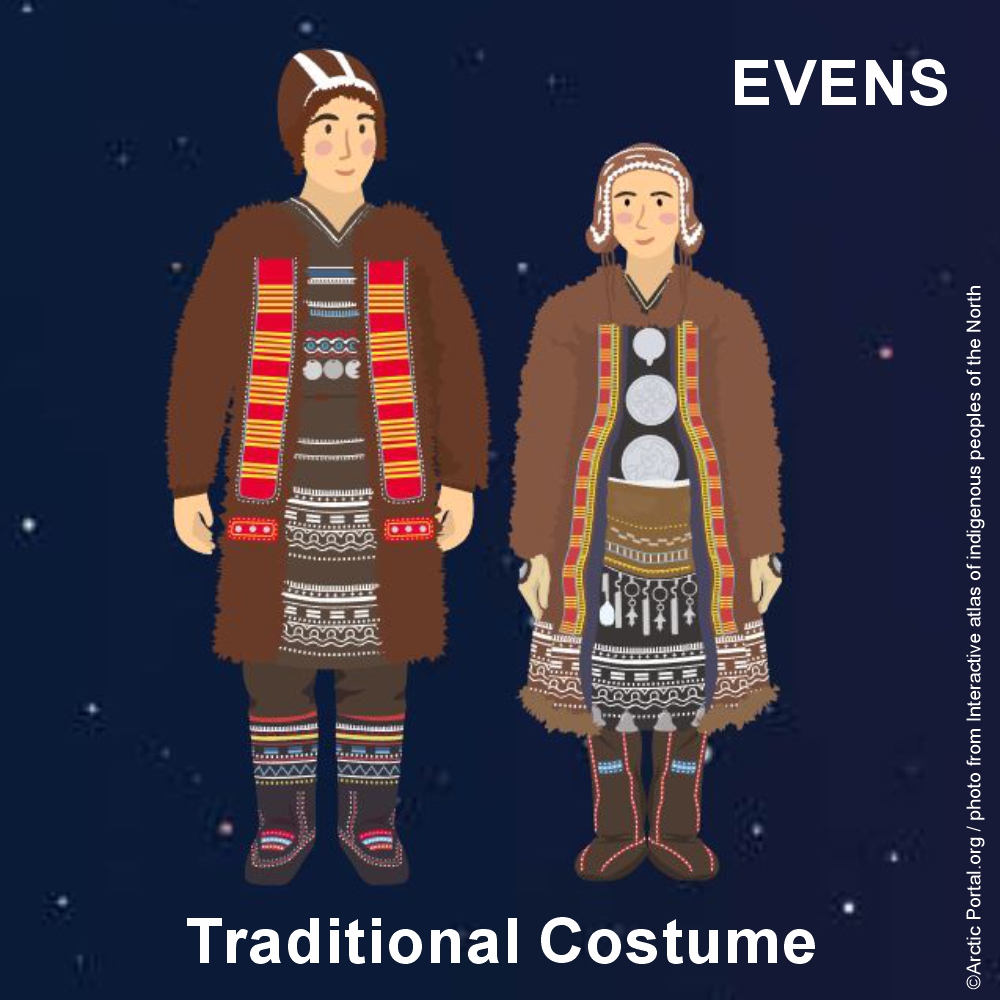
- Evens
- Dolgan
- Yukaghir
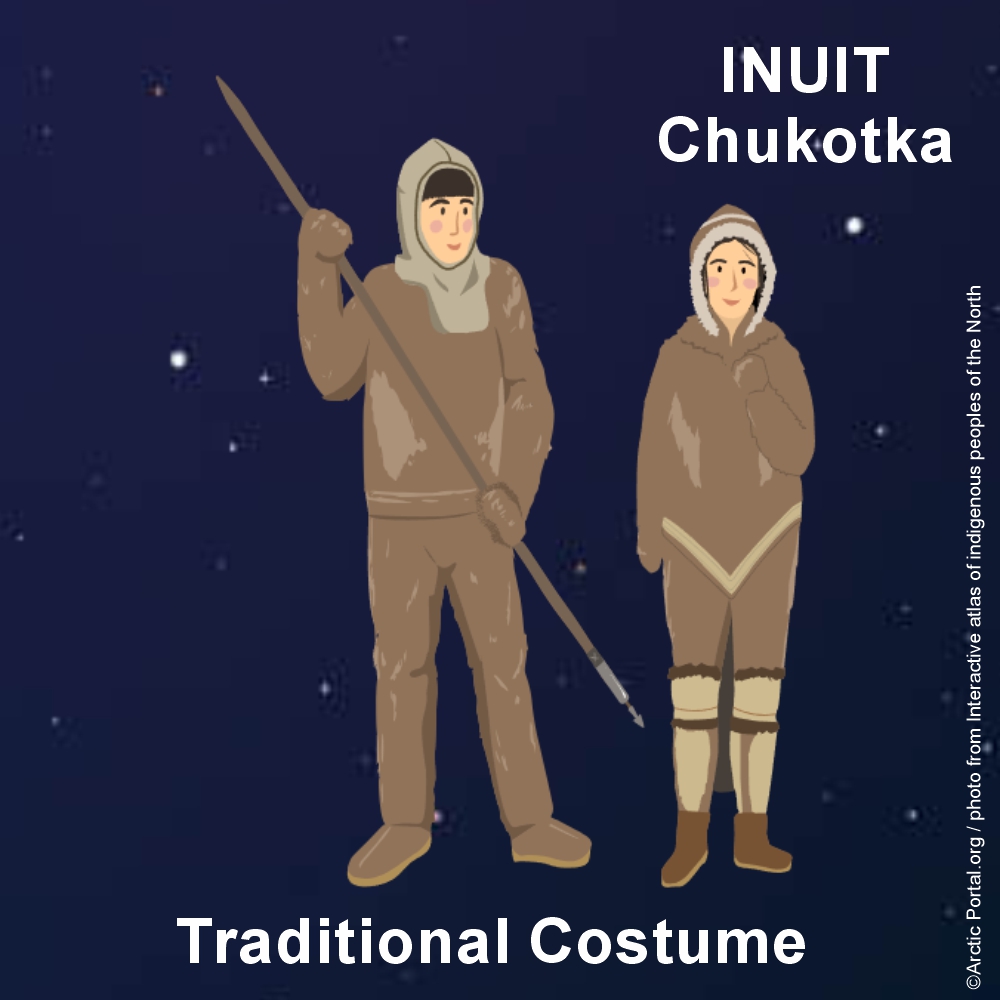
- Inuit (Yupik) communities in Chukotka
Many of these peoples traditionally rely on reindeer herding, hunting, fishing, and marine mammal harvesting, adapted to Arctic and sub-Arctic environments.
 Legal Recognition
In 2000, the Russian government approved the “Unified List of Indigenous Small-Numbered Peoples of the Russian Federation.”
To be included on this list, a group must:
- Live in its historical territory
- Maintain traditional livelihoods and cultural practices
- Identify as a distinct ethnic community
- Have a population of fewer than 50,000 people
Today, more than 40 Indigenous groups are officially recognized under this category. The total Indigenous population in the Russian North is estimated at approximately 180,000–260,000 people, spread across nearly 30 federal regions.
Geography and Demographics
The regions officially classified as the Far North and equivalent territories cover roughly two-thirds (about 64%) of Russia’s land area, yet only around 8% of the country’s population lives there.
The Russian North plays a significant role in the national economy. It accounts for a substantial share of natural resource extraction, including oil, gas, minerals, and fisheries, contributing significantly to export earnings.
However, infrastructure in many northern areas remains limited, and remote settlements often face challenges related to transport, healthcare, education, and economic diversification.
Traditional Livelihoods
Reindeer herding remains central to the cultural and economic life of many groups, particularly the Nenets, Chukchi, Evenki, and Sámi. Coastal communities, including Chukchi and Siberian Yupik (Inuit), maintain traditions of marine mammal hunting.
Traditional knowledge systems — including expertise in snow, ice, migration patterns, and Arctic ecology — remain essential for survival and cultural continuity.
Historical Integration and Change
Before Russian expansion eastward, Indigenous peoples of Siberia and the Arctic lived in largely autonomous societies. Beginning in the 16th and 17th centuries, the Russian state gradually incorporated these territories.
Under the Tsarist regime and later during the Soviet period, Indigenous communities experienced:
- Administrative restructuring
- Collectivization policies
- Sedentarization (encouraging nomadic groups to settle)
- Industrial development in resource-rich areas
These policies had profound effects on traditional lifestyles, social organization, and language use.
Contemporary Challenges
Today, many Indigenous communities in the Russian Arctic face significant challenges, including:
- Socioeconomic disparities
- Limited access to services in remote areas
- Environmental impacts from industrial development
- Climate change affecting migration routes and sea ice
- Language loss and cultural erosion
Several Indigenous languages are classified as endangered, and smaller groups face demographic pressures.
At the same time, Indigenous organizations continue to advocate for cultural preservation, land-use rights, and participation in regional governance.
The Russian Arctic Today
The Indigenous peoples of the Russian Arctic represent a rich cultural mosaic shaped by millennia of adaptation to northern environments.
As the Arctic gains global attention due to climate change, geopolitics, and resource development, the voices and knowledge of these communities remain central to understanding the region’s future.
See Quick-Facts about (click on the images):
Source:The Arctic by Richard SaleArctic Human Development ReportIndigenous People of Russia