
Governance & Policies
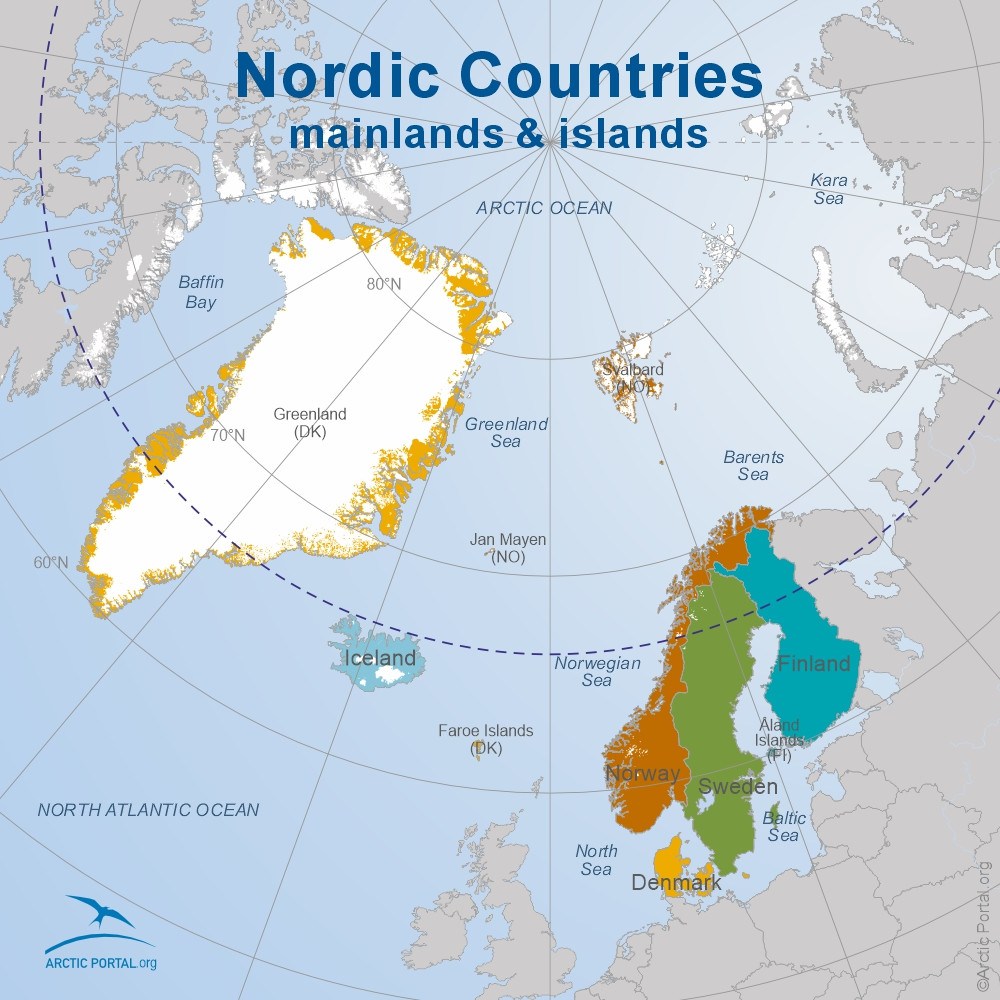
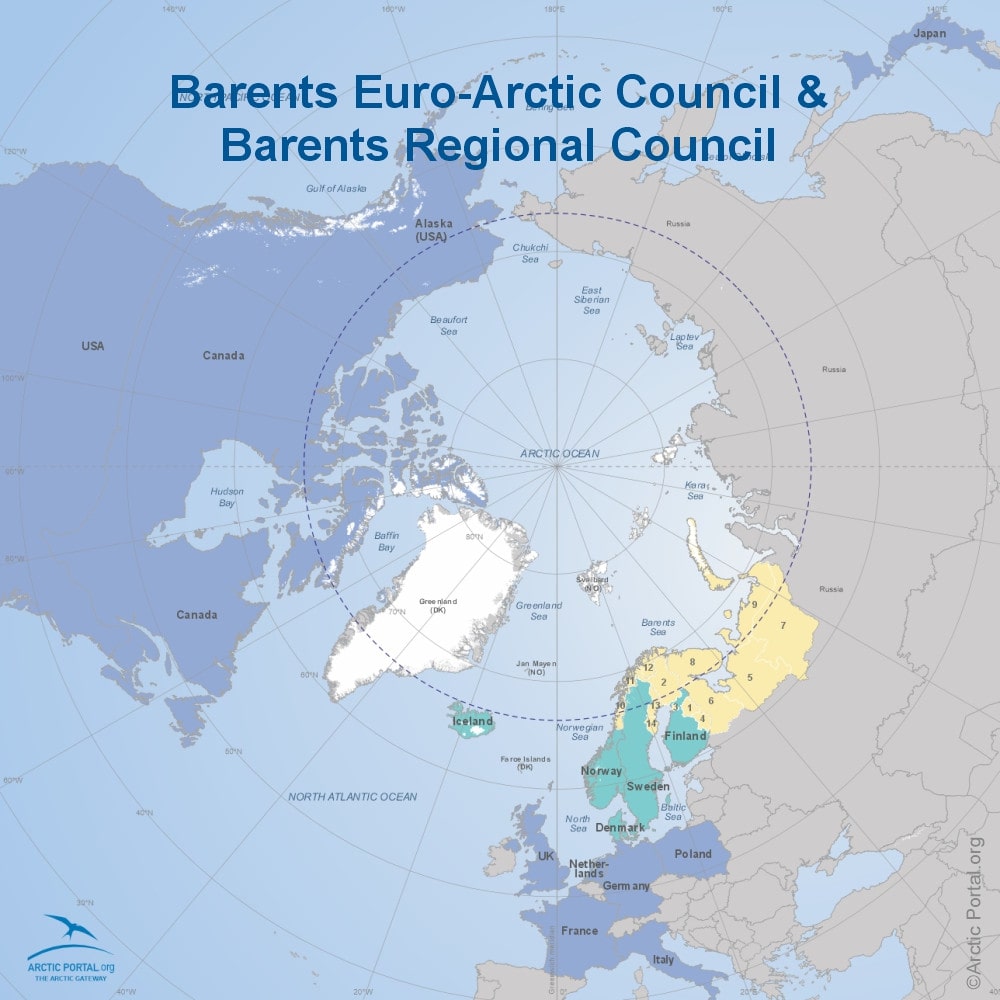
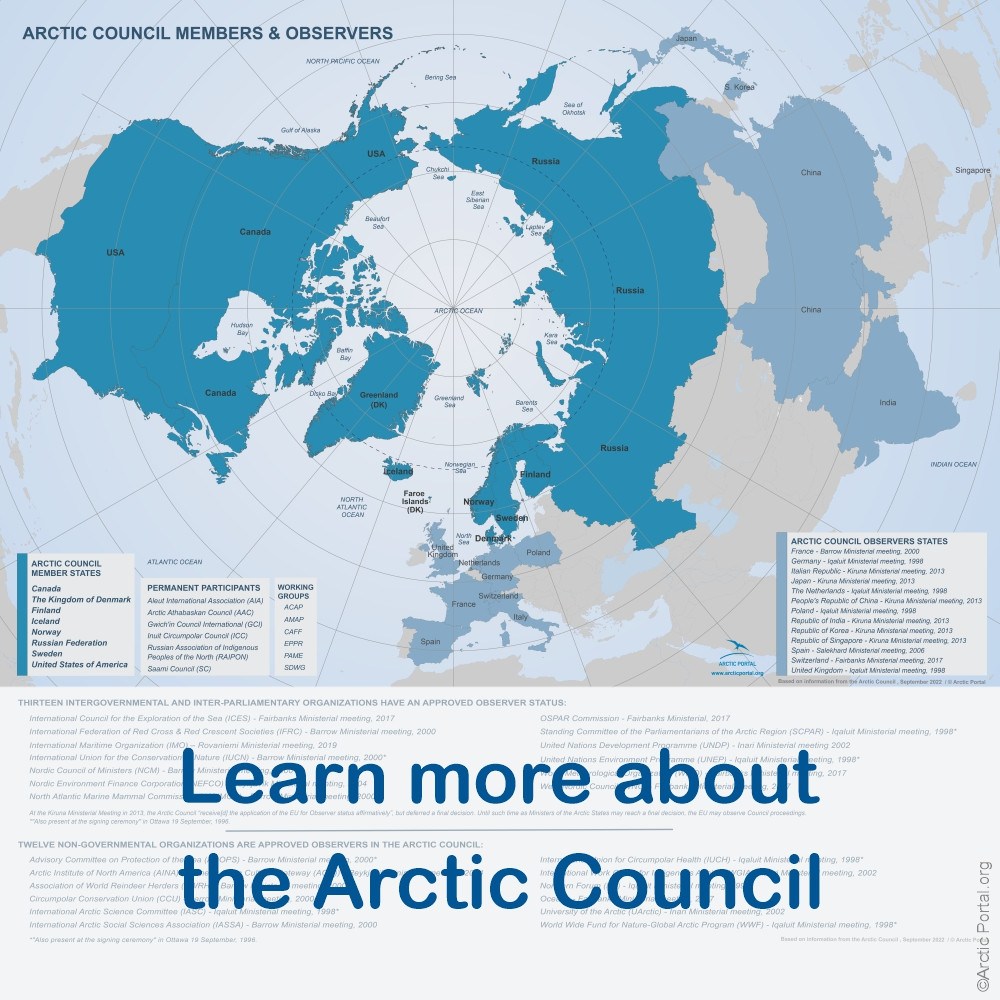
The Arctic is shaped by its natural environment as well as by complex systems of governance and international cooperation. This section provides an overview of the main institutions, agreements, and actors involved in Arctic governance, including Arctic states, Indigenous Permanent Participants, regional organizations, and global institutions.
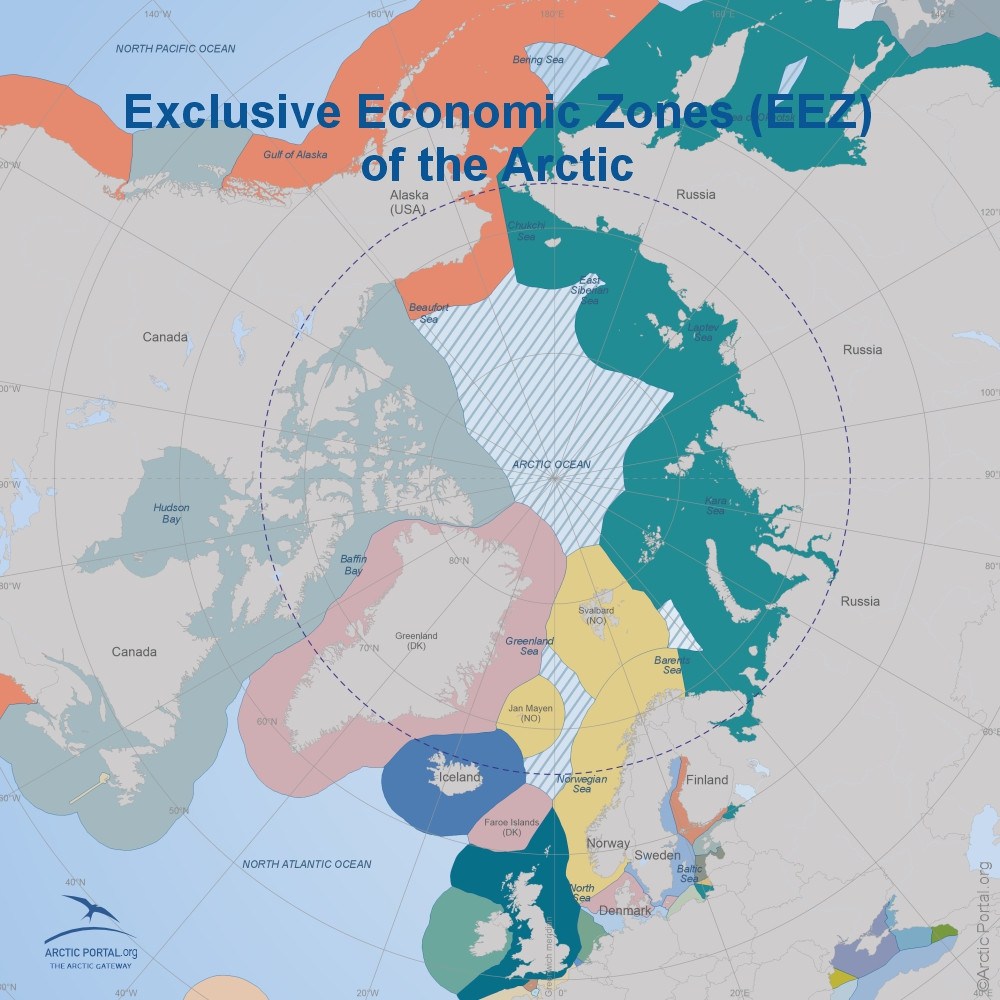
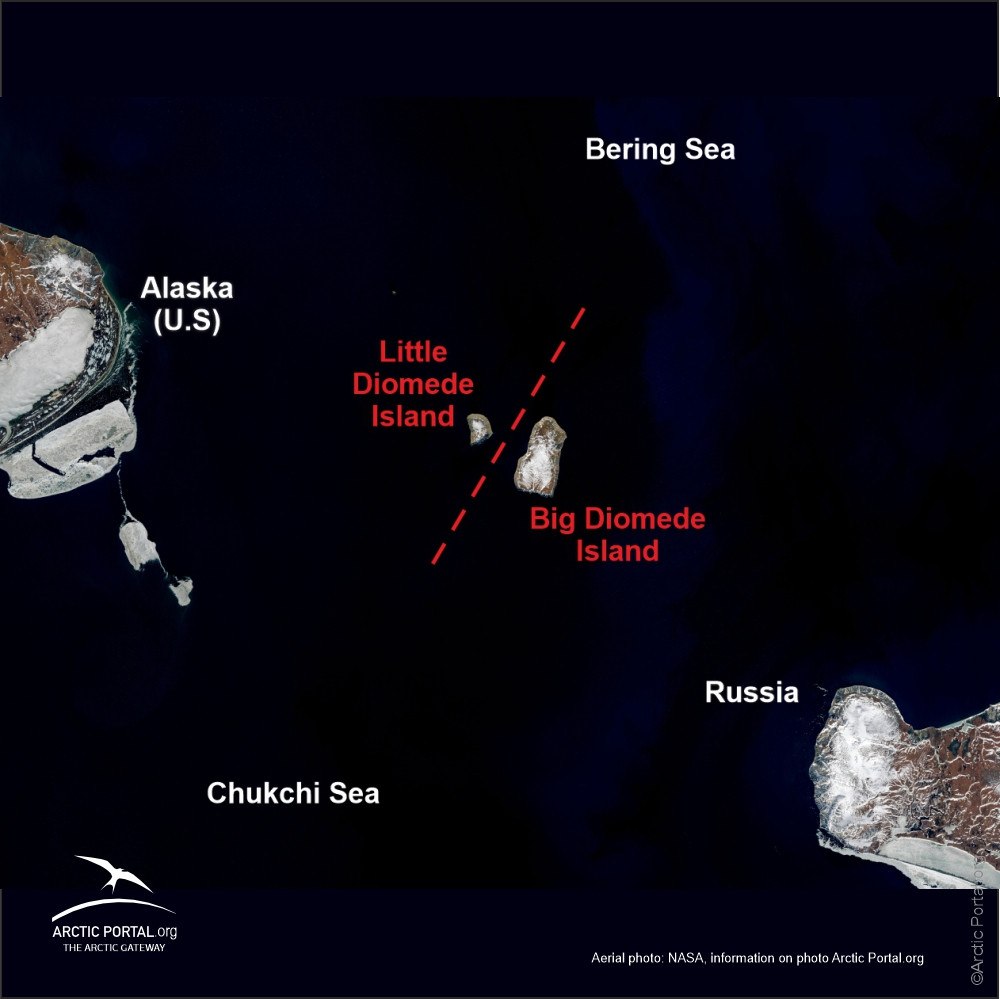
Cooperation in the Arctic takes place through formal structures such as councils, treaties, and strategic frameworks that address key issues including environmental protection, sustainable resource management, scientific research, and human security. The Arctic Council plays a central role as a forum for dialogue and cooperation among Arctic states and Indigenous peoples, while international law, including the United Nations Convention on the Law of the Sea (UNCLOS), provides the legal framework for maritime boundaries and resource rights.
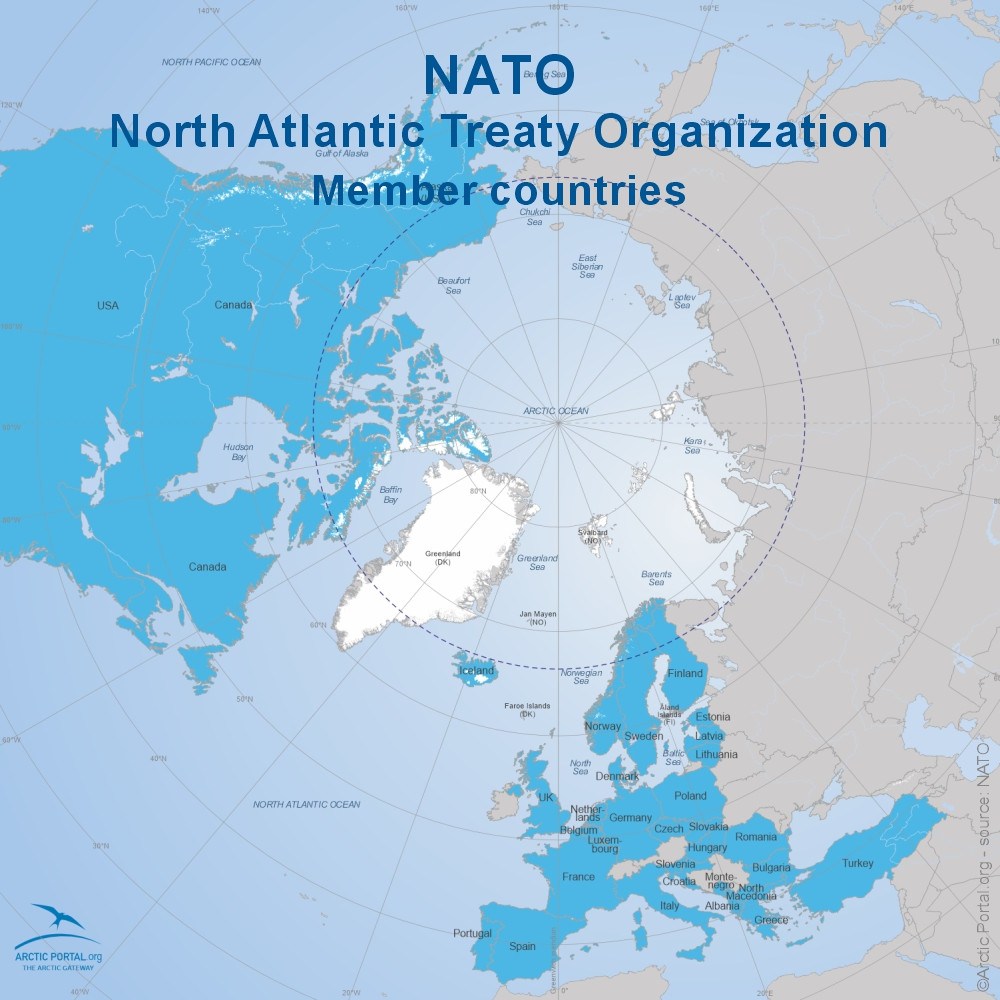
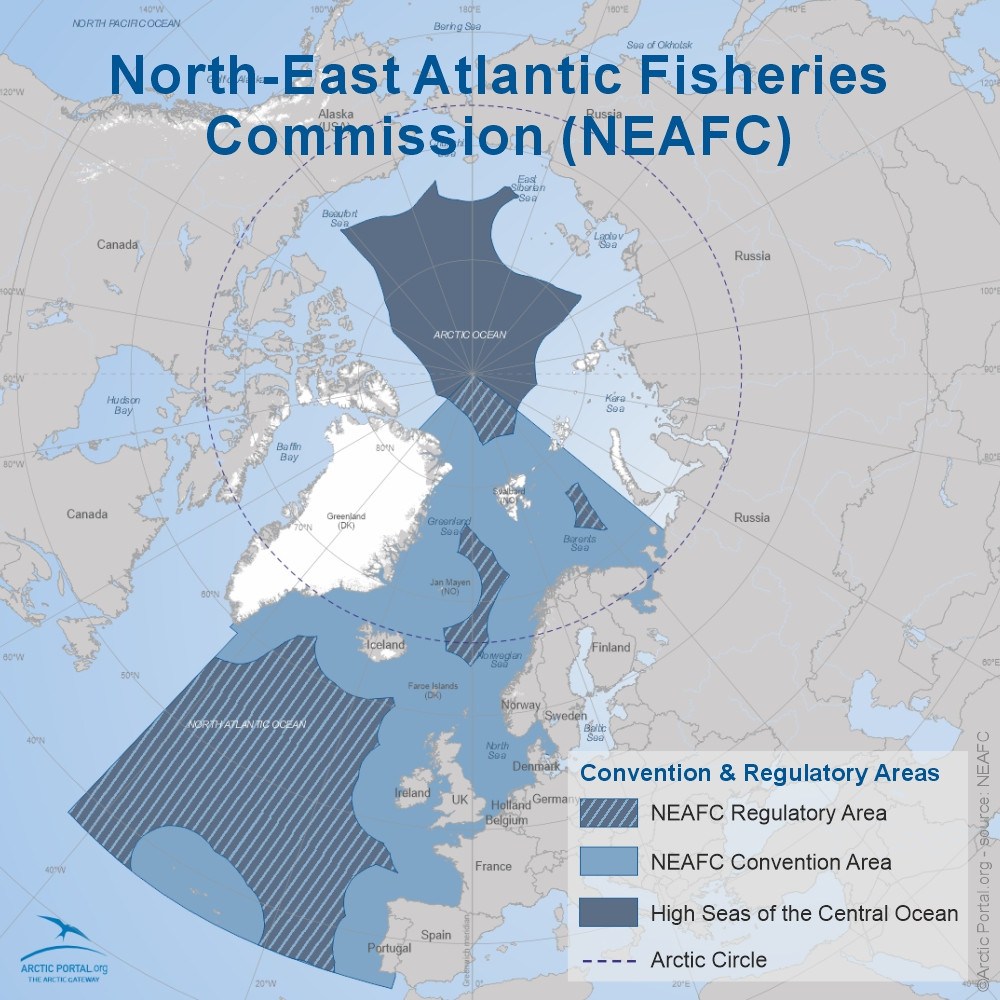
Arctic governance also involves security considerations, economic interests, fisheries management, and search and rescue coordination. From military alliances and national strategies to regional agreements and multilateral partnerships, governance in the Arctic relies on cross-border collaboration and shared responsibilities aimed at maintaining stability, protecting fragile ecosystems, and managing change in a rapidly transforming region.
Education material in slideshow format with information text about governance and policies in the Arctic.
Quickfacts Categories

Arctic Portal.org - 2026 © All rights reserved.
When quoting, reusing or copying any material on the arcticportal.org or any of its sub-sites including but not limiting to: information, news, articles, data, maps or images, in part or in full, a citation stating the origin and a hyperlink to www.arcticportal.org is required.