
Icelandic Yule Lads

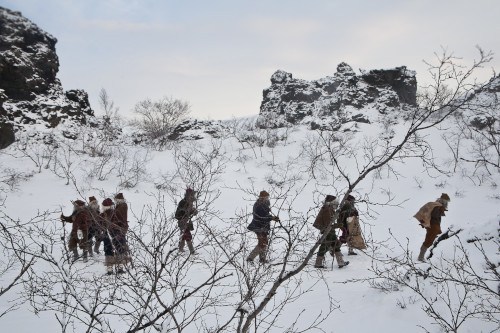
Unlike most other countries that only have one Santa Claus, Iceland has thirteen. They are called Jólasveinar (Yule lads or perhaps Christmas boys) and take turns visiting our children the 13 nights leading up to Christmas Eve. Children place one of their shoes on the windowsill of their rooms on each of those nights. For those children that behave well during that day the Yule lads will leave candy or a small treat but for those who behave badly can expect a rotten potato.
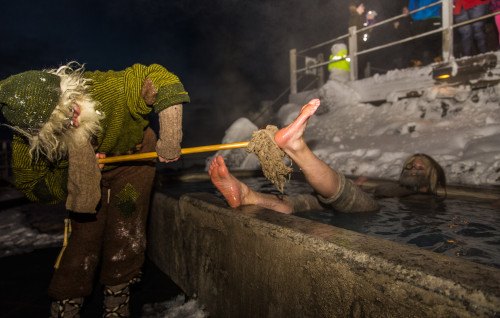
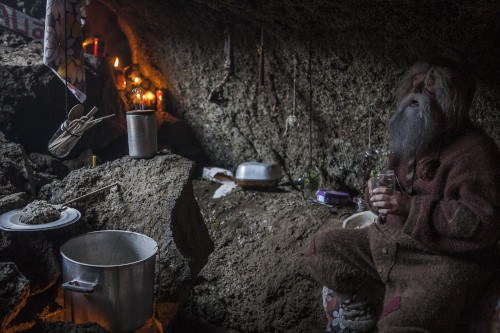
Traditionally the Yule lads behaved as you would expect trolls to behave and they received their names as to describe their mischievous behavior such as Door-Slammer who likes to slam doors loudly, Spoon-Licker who likes to steal unwashed spoons with traces of food and lick them clean etc.
The Yule lads are generally depicted as wearing “traditional” peasant´s garb, wool and sheepskins but are sometimes shown wearing the costume traditionally worn by Santa Claus, especially at children´s events.
The stories of the Yule lads first appeared in the 17th century but in the early 20th century the tradition of the 13 lads changed and they picked up the gift-giving habits of their foreign colleagues.
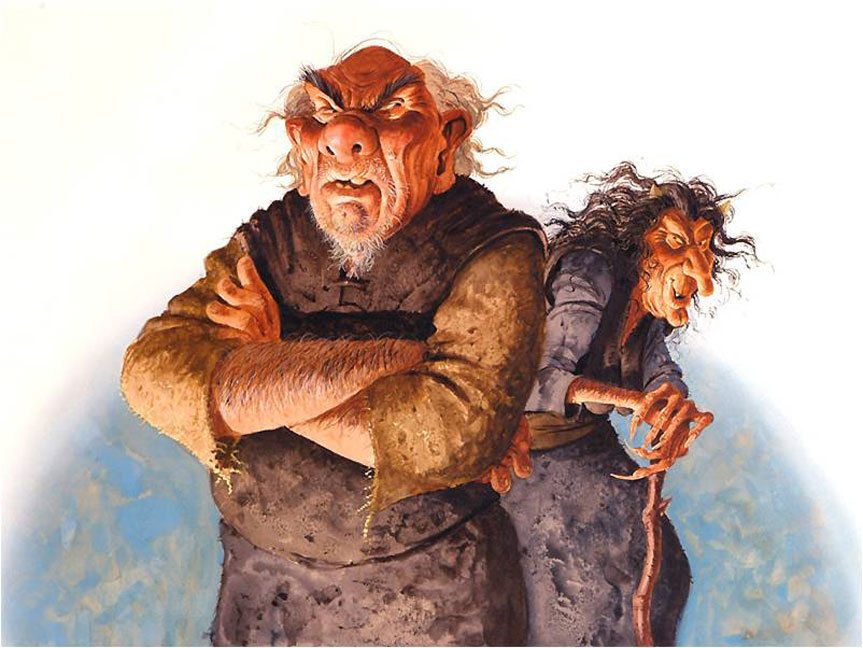
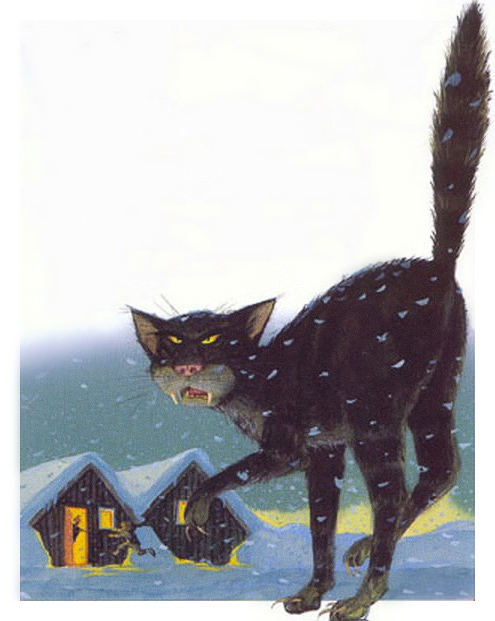
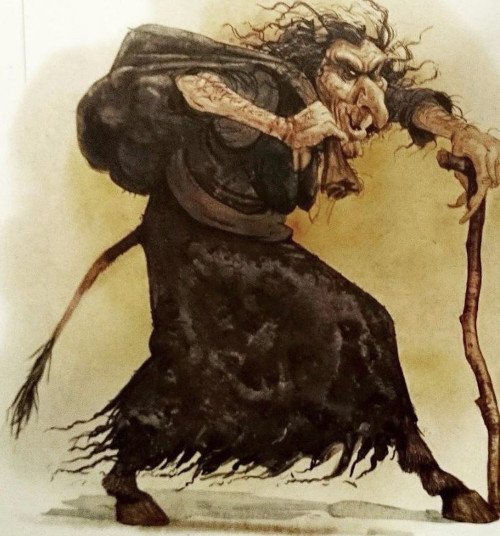
The Yule lads are a part of an Icelandic Christmas folklore that depict mountain-dwelling characters and trolls who come to town during the Christmas period. The parents of the Yule lads are trolls called Grýla (mother) and Leppalúði (father). In the tails Grýla is a scary troll who has the ability to detect when children misbehave, hunts them down, and takes them back to her cave for making stew of them. Leppalúði is known as the lazy husband who does not do much other than annoy Grýla and enjoy her food. Together they have around seventy children including the 13 Yule Lads. This “nice” couple own a big black cat known as the Jólakötturinn (Christmas cat). The Christmas cat is vicious and even scarier than Grýla it likes to hunt people who do not receive anything new to wear for Christmas and eats them, not a typically well-received notion in modern cultures 😊.
A poem about Jólakötturinn is quite popular among children today - here is a link to it, song by the well known singer .
More on Arctic Christmas, Christianity and beliefs
The Yule Lads in the order they arrive from the mountain:
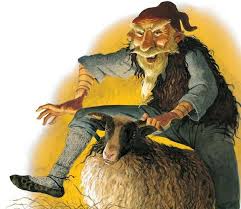
Stekkjastaur (Sheep-Cote-Clod)
December 12 – Stekkjastaur (Sheep-Cote-Clod) is the first Yule Lad who comes to town on the night before the 12th of December and also the first to depart for home on the 25th December.
Stekkjastaur is an awkward figure with stiff peg-legs, which make it hard for him to move around. Despite this, he was notorious for sneaking into sheep pens, harassing the sheep and trying to suck milk from them, usually with little success.
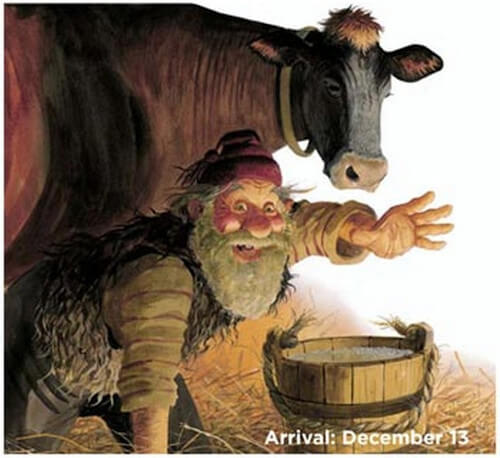
Giljagaur (Gully Gawk)
December 13 – Giljagaur (Gully Gawk). The second Yule Lad comes on the night before the 13th of December and departs for home on the 26th of December.
Giljagaur is a sneaky fellow who hides in gullies and barns, patiently waiting for the chance to steal the frothy cream from farmers’ milk buckets. Quiet and watchful, he preferred to stay out of sight while causing mischief.
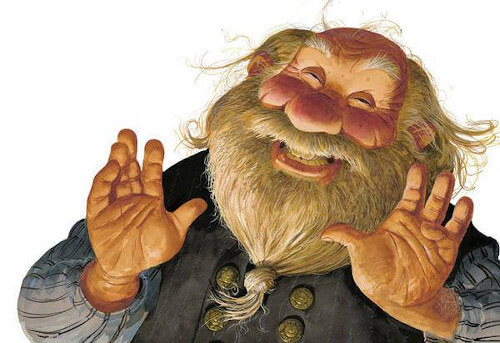
Stúfur (Stubby)
December 14 – Stúfur (Stubby). The third of the Yule lads comes on the night before the 14th of December and departs for home on the 27th of December.
True to his name, he is unusually short. He made up for his small size with a big appetite, stealing pans and plates so he could scrape up and eat the burnt crusts left behind.
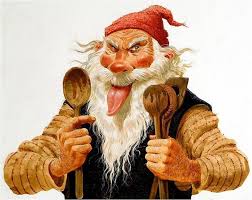
Þvörusleikir (Spoon-Licker)
December 15 – Þvörusleikir (Spoon-Licker). The fourth of the Yule Lads comes on the night before the 15th of December and departs for home on the 28th of December.
Þvörusleikir is tall and thin, with an unhealthy obsession with wooden spoons. He would sneak into kitchens to steal long stirring spoons, licking them clean before disappearing back into the night.
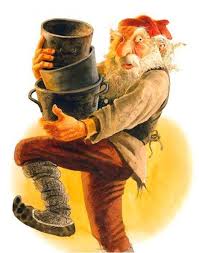
Pottaskefill (Pot-Scraper)
December 16 – Pottaskefill (Pot-Scraper). The fifth of the Yule Lads comes on the night before the 16th of December and departs for home on the 29th of December.
Pottaskefill had a particular talent for finding unattended pots and scraping out any leftovers clinging to the bottom, never letting a scrap of food go to waste.
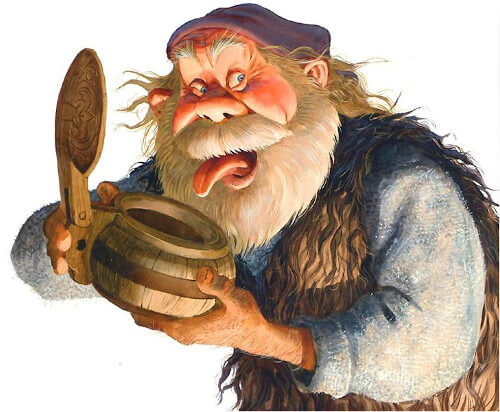
Askasleikir (Bowl-Licker)
December 17 – Askasleikir (Bowl-Licker). The sixth of the Yule Lads comes on the eve of the 17th of December and departs for home on the 30th of December.
Askasleikir hid beneath beds, waiting for people to place their askur ( a lidded bowl once used for meals) on the floor. When the chance arose, he would snatch the bowl and eat whatever was inside.
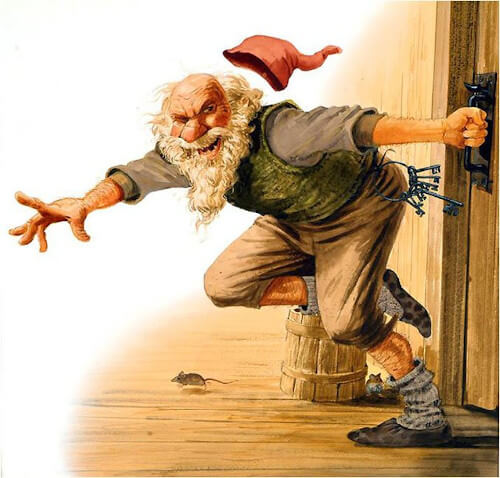
Hurðaskellir (Door-Slammer)
December 18 – Hurðaskellir (Door-Slammer). The seventh of the Yule Lads comes on the night before the 18th of December and departs for home on the 31st of December.
Hurðaskellir is the noisiest of the Yule Lads, delighting in slamming doors loudly, especially while people were trying to sleep, spreading chaos and sleeplessness throughout the night.
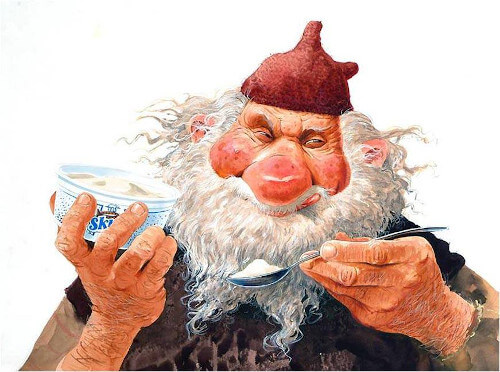
Skyrgámur (Skyr-Gobbler)
December 19 – Skyrgámur (Skyr-Gobbler). The eighth of the Yule Lads comes on the night before the 19th of December and leaves on the first of January.
Skyrgámur is infamous for his uncontrollable love of skyr, Iceland’s traditional dairy food, and would go to great lengths to steal and devour as much of it as possible.
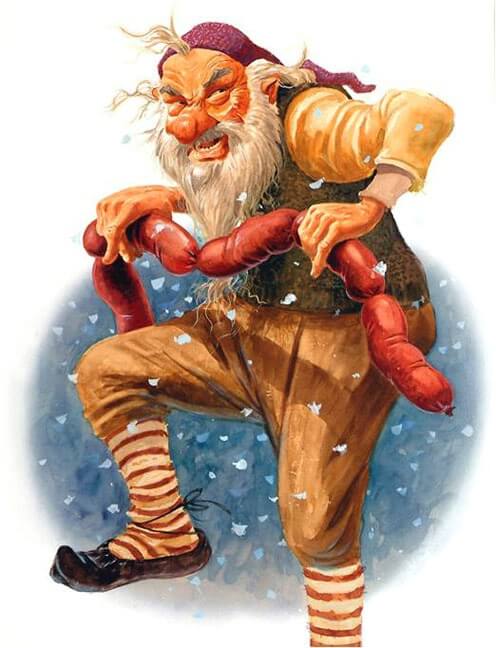
Bjúgnakrækir (Sausage-Swiper)
December 20 – Bjúgnakrækir (Sausage-Swiper). The ninth of the Yule Lads comes on the eve of the 20th of December and departs for home on the second of January.
Bjúgnakrækir hid in rafters and chimneys, patiently watching sausages as they were smoked. When the moment was right, he would snatch them using a long hook.
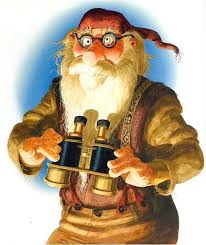
Gluggagægir (Window-Peeper)
December 21 – Gluggagægir (Window-Peeper). The tenth of the Yule Lads comes on the night before the 21st of December and departs for home on the third of January.
Perhaps the creepiest of them all, he wandered from house to house, peering through windows in search of things to steal, or simply to spy on unsuspecting households.
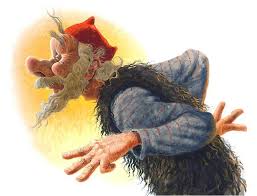
Gáttaþefur (Doorway-Sniffer)
December 22 – Gáttaþefur (Doorway-Sniffer). The eleventh of the Yule Lads comes on the night before the 22nd of December and departs for home on the fourth of January.
Gáttaþefur has an unusually long and sensitive nose, which he used to sniff out baked goods, especially laufabrauð, the traditional Icelandic Christmas bread.
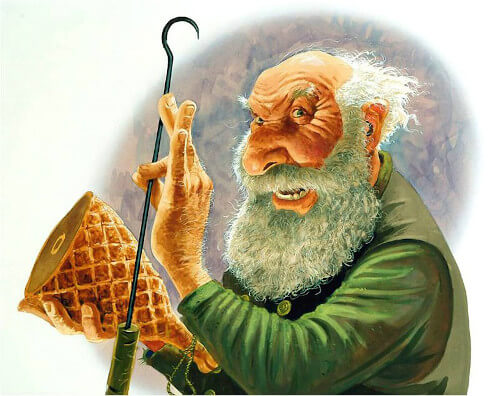
Ketkrókur (Meat-Hook)
December 23 – Ketkrókur (Meat-Hook). The twelfth of the Yule Lads comes on the night before the 23rd of December and departs for home on the fifth of January.
Armed with a long hook, Ketkrókur skillfully stole meat hanging out of reach, pulling his prizes down chimneys and through windows.
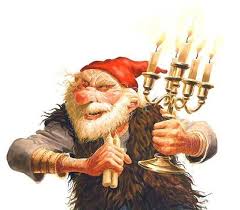
Kertasníkir (Candle-Stealer)
December 24 – Kertasníkir (Candle-Stealer). The thirteenth of the Yule Lads comes on the night before the 24th of December and departs for home on the last day of Christmas or the 6th of January.
Kertasníkir followed children around, stealing their candles (which were once made of edible fat) making him especially fond of Christmas Eve treats.
Photos: Agnes Lebeaupin, Marcin Kozazcek
Drawings: Brian Pilkington
Related articles
Scandinavian Christmas Traditions: The Nisse and Its Role as Farm Guardian and Christmas Helper
Inuit Christmas and New Year: Celebrating Quviasukvik and Winter Traditions
Sámi Christmas Traditions: Blending Nature, Spirit, and Christian Influence
Arctic Christmas, Christianity and beliefs