
Indigenous Peoples of the Russian Arctic
A Diverse Arctic Region
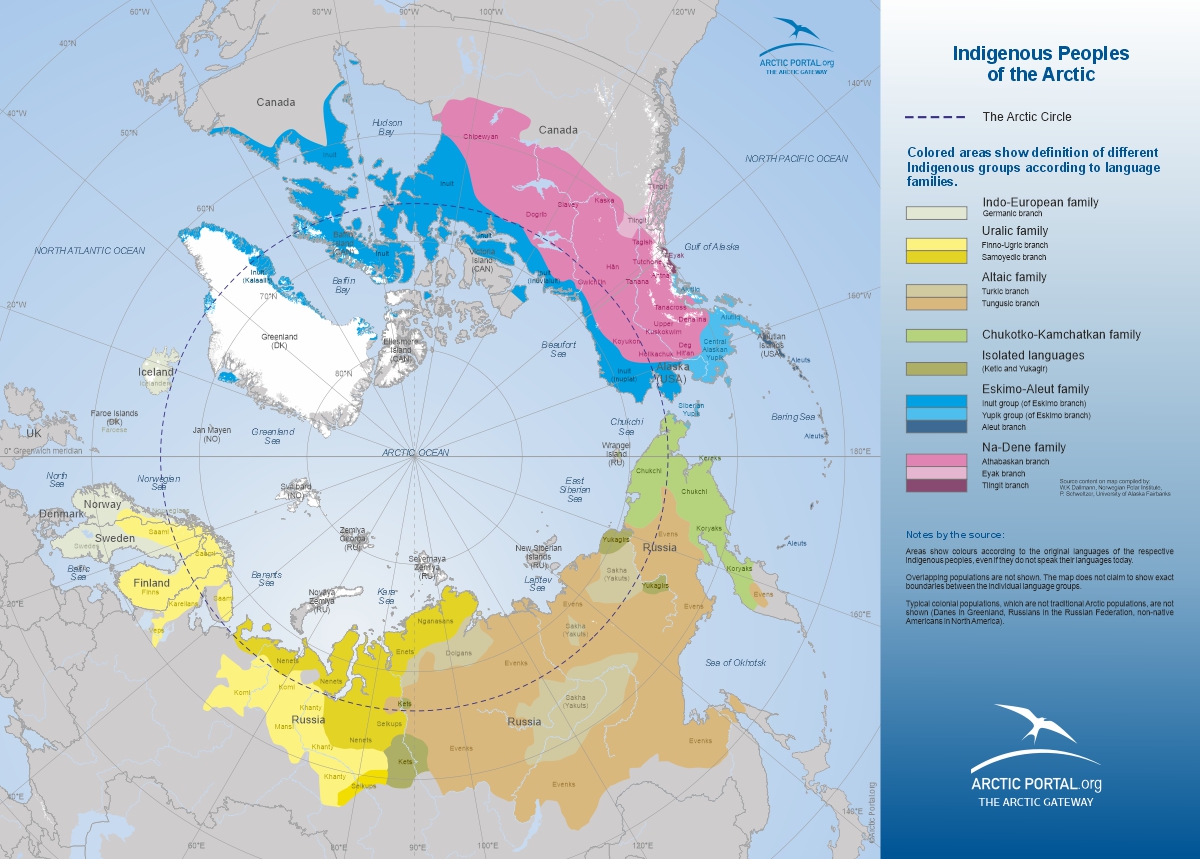
The Russian Arctic is home to a wide range of Indigenous Peoples with distinct languages, cultures, histories and livelihoods. Their homelands extend from the Kola Peninsula in the west to Chukotka and the Bering Strait in the east.
The Sámi inhabit parts of northwestern Russia on the Kola Peninsula, while other Indigenous Peoples live across northern European Russia, Siberia and the Russian Far East. These include, among others:
These include, among others:
- Nenets — northern European Russia and northwestern Siberia
- Nganasan — the Taimyr Peninsula
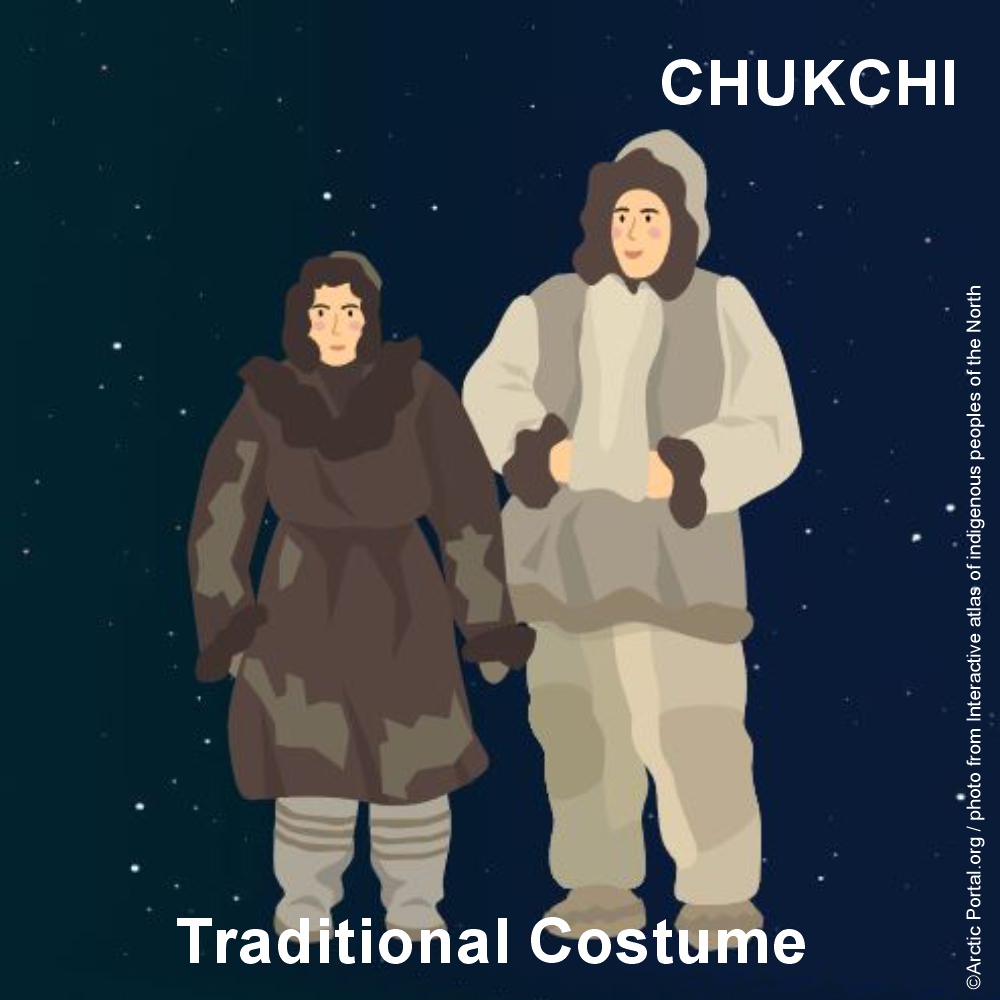
- Chukchi — Chukotka and neighbouring areas
- Enets — the lower Yenisei region
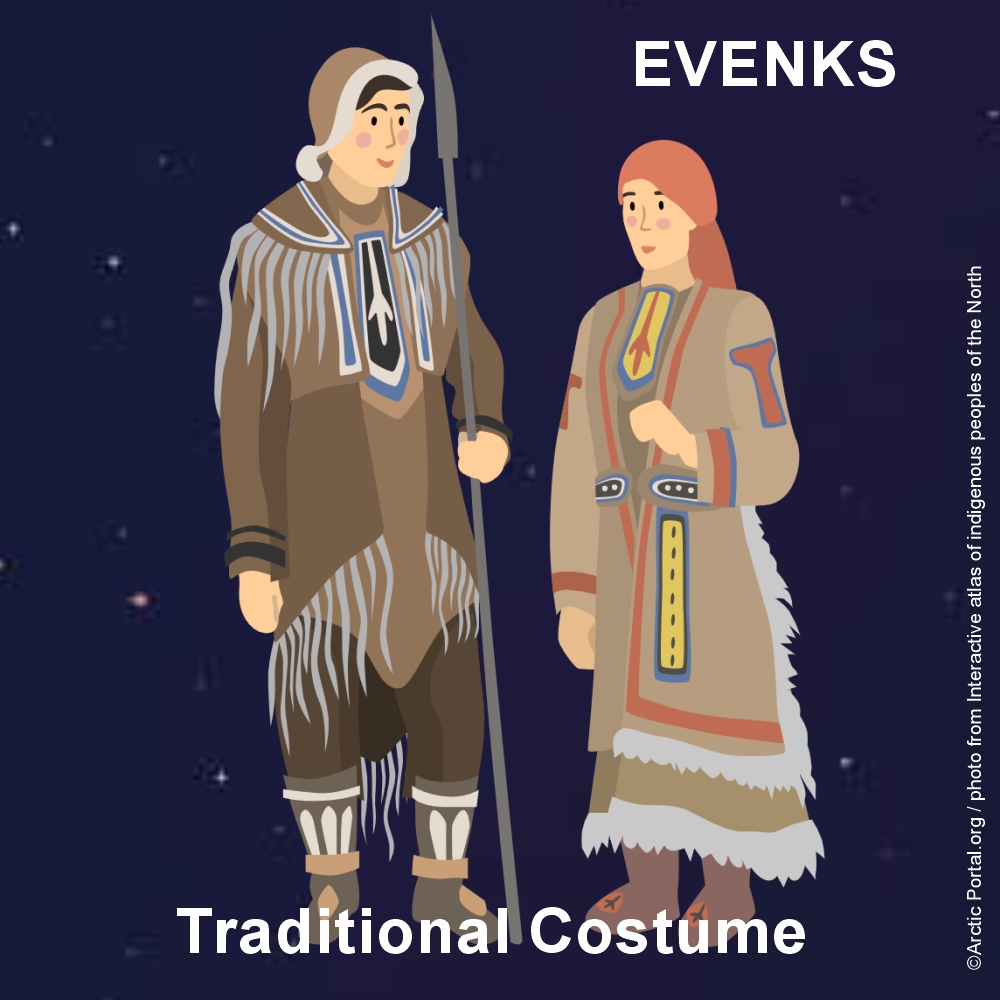
- Evenks — widely distributed across Siberia
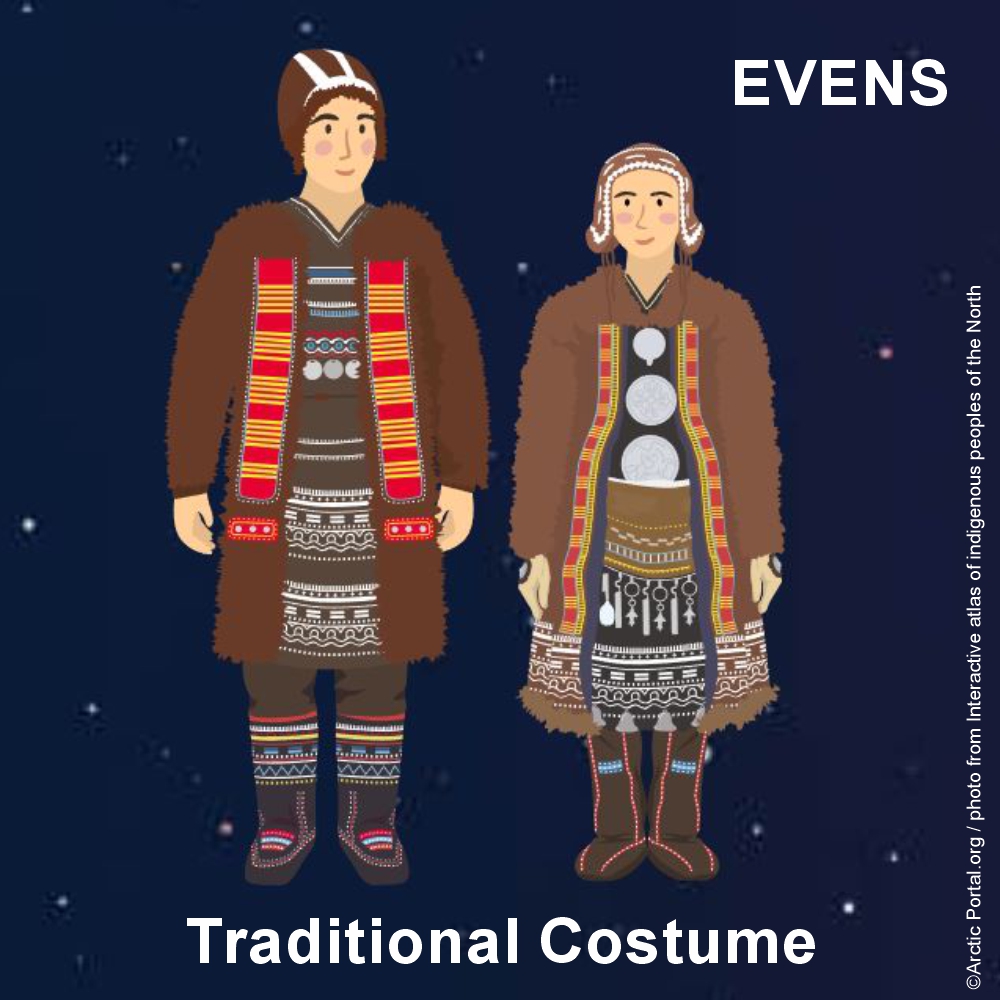
- Evens — north-eastern Siberia and the Russian Far East
- Dolgans — the Taimyr Peninsula and neighbouring areas
- Yukaghir — north-eastern Siberia
- Khanty — western Siberia
- Siberian Yupik (Inuit) — Chukotka
These peoples’ territories extend across Arctic and subarctic environments, and some also live substantially beyond the Arctic. Their livelihoods vary considerably, reflecting local environments, historical experiences and contemporary circumstances.
Legal Recognition
Russian legislation recognises a specific category known as “Indigenous Small-Numbered Peoples”. The legal definition includes residence in ancestral territories, the continuation of traditional livelihoods and cultural practices, self-identification as a distinct ethnic community, and a population of fewer than 50,000. In 2000, the Russian government approved a unified list of peoples recognised within this category.
According to IWGIA’s 2026 overview, 47 peoples are officially recognised within this category across Russia. Of these, 40 are classified as Indigenous Small-Numbered Peoples of the North, Siberia and the Far East, together numbering approximately 265,000. These figures cover a much wider area than the Russian Arctic alone.
This legal category does not encompass all Indigenous Peoples living in Russia. Larger peoples, including the Sakha (Yakuts), fall outside its population threshold. Legal recognition should therefore be distinguished from the broader understanding of Indigenous identity.
Geography and Demographics
The Russian Arctic forms part of a much wider northern region. Russia’s administrative category of the “Far North and equivalent territories” extends beyond the Arctic and should be distinguished from the officially designated Arctic Zone.
Indigenous communities are distributed across extensive territories, from coastal tundra and river valleys to forest regions. Some people live in small, remote settlements or move seasonally with reindeer herds, while others live in towns and regional centres.
Northern Russia plays an important role in the national economy through oil and gas production, mining, fishing and other industries. However, access to transport, healthcare, education and employment varies considerably, and remote communities often face high costs and limited infrastructure.
Traditional Livelihoods
Reindeer herding remains important to the cultural and economic life of several Indigenous Peoples, including the Nenets, Chukchi, Evenks, Evens and Sámi. Fishing, hunting and gathering also contribute to livelihoods, food security and cultural identity. Coastal Chukchi and Siberian Yupik communities maintain traditions of marine mammal hunting.
Indigenous knowledge encompasses detailed understanding of weather, snow, ice, animal behaviour and seasonal movements. This knowledge remains important for livelihoods, safety and cultural continuity, and is passed between generations through language, practical experience and community life.
Indigenous communities encompass diverse contemporary ways of life. Traditional livelihoods continue alongside employment in education, healthcare, public administration, business and other sectors.
Historical Integration and Change
Russian expansion into Siberia accelerated during the 16th and 17th centuries, gradually bringing Indigenous territories under state control. Taxation, trade, missionary activity and administrative changes transformed relationships between Indigenous communities and outside authorities.
During the Soviet period, collectivisation reorganised reindeer herding, hunting and fishing into collective and state enterprises. Settlement policies and forced relocations disrupted many communities’ seasonal movements and relationships with their homelands. Industrial development brought further changes to land use, employment and population patterns.
Education expanded, but boarding schools also separated many children from their families and weakened the transmission of Indigenous languages and knowledge. The effects of these policies varied between regions and peoples, and continue to influence communities today.
Contemporary Challenges
Many Indigenous communities in the Russian Arctic face interconnected social, economic and environmental pressures. These include unequal access to services, limited employment opportunities in remote settlements, industrial pollution and disruption of traditional land use.
Climate change adds further pressures by altering sea ice, snow conditions, permafrost and the timing of seasonal activities. These changes can affect travel safety, reindeer migration, hunting, fishing and infrastructure.
Language loss is another concern. Smaller language communities face particular difficulties in maintaining everyday use and passing their languages to younger generations.
Indigenous organisations and community initiatives continue to work for cultural preservation, language revitalisation and land-use rights. However, independent Indigenous advocacy faces significant restrictions. UN experts have raised concerns about the targeting of Indigenous organisations and activists through legislation on extremism, terrorism and “undesirable organisations”.
The Russian Arctic Today
The Indigenous Peoples of the Russian Arctic maintain diverse cultures and ways of life shaped by long-standing relationships with northern environments. Their communities combine inherited knowledge and traditions with contemporary education, professions, technologies and cultural expression.
As climate change, industrial development and political decisions reshape the region, Indigenous Peoples’ rights, knowledge and participation remain essential to informed decisions about the Arctic’s future.
Learn More About Individual Indigenous Peoples
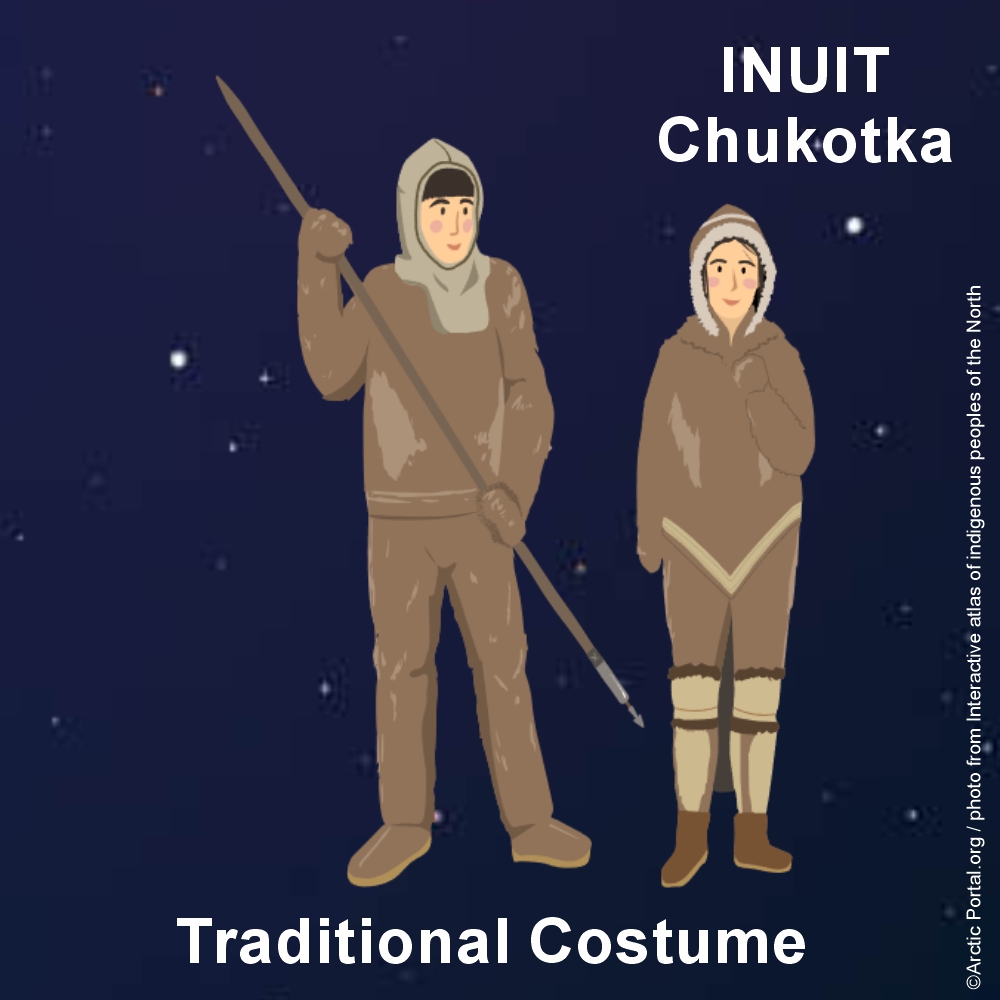
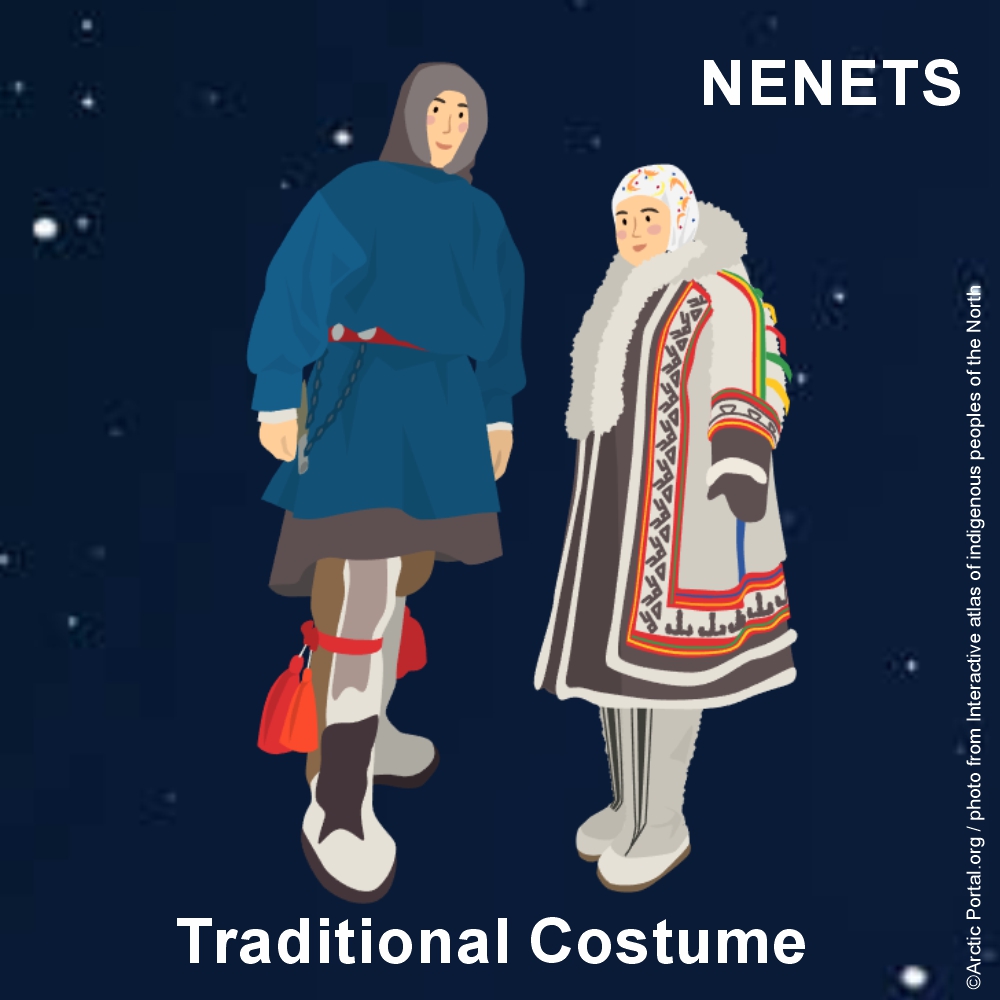
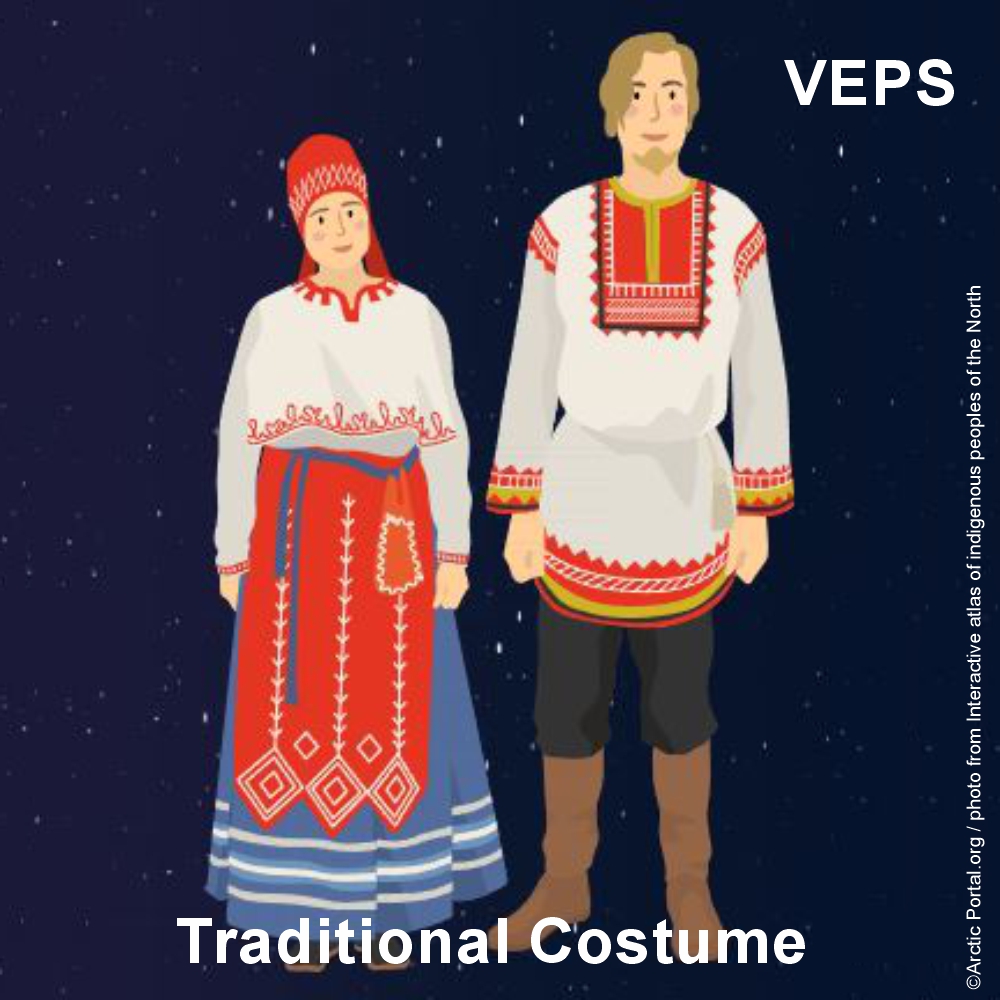
Click on an image below to explore our Quick Facts pages.
Source:The Arctic by Richard SaleArctic Human Development ReportIndigenous People of Russia