
News
European Union updates its Arctic Policy
The European Commission released a Joint Communication on October 20th 2026, titled Europe's Northern Neighbourhood: A New Strategy for the Arctic. The much-anticipated policy, which updates its 2021 Arctic Policy, emphasizes security, fighting climate change, and creating opportunities and economic prosperity.
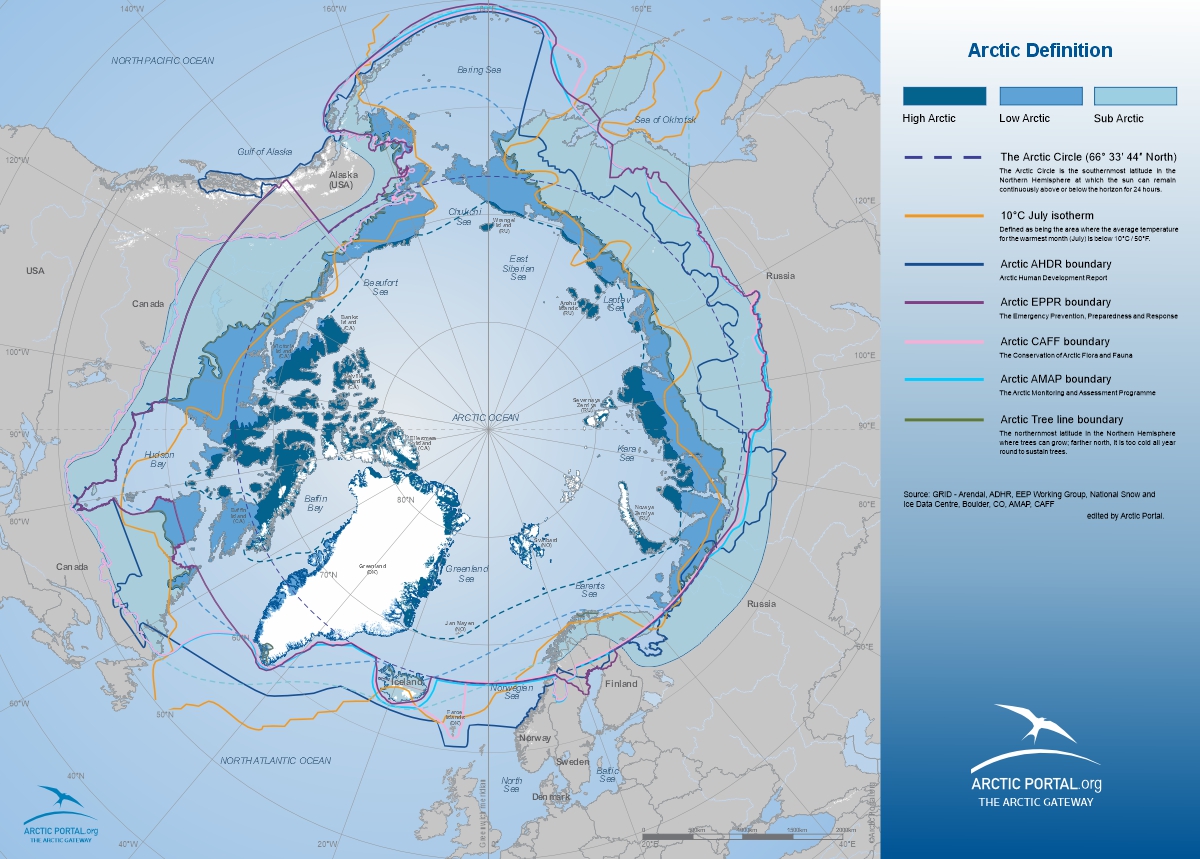
On October 20th, 2026, the European Commission published a new Joint Communication, titled Europe's Northern Neighbourhood: A New Strategy for the Arctic. It is an update to the EU Arctic Policy, the first since 2021. “The Arctic is Europe's Northern Neighbourhood - close, connected and critical to our future. And it is changing,” is how the President of the European Commission, Ursula von der Leyen, introduced the document. “New shipping routes and resources are driving strategic competition. With our new Strategy, we are investing in stronger security, resilient infrastructure and economic opportunities. For the benefit of the people who call the Arctic home, and for our shared space,” she said.
The Policy names Russia’s activities in the Arctic, as well as Russia’s war in Ukraine and cooperation with China as the reasons for new security measures being necessary.
The EU emphasizes that “Multilateral cooperation remains indispensable, but it can no longer be the sole foundation of the European Union’s Arctic approach.” Along with climate change, the Policy positions the Arctic as entering a new era, for which the EU is preparing. It promises to work with people who live in the Arctic, protect the environment, and uphold sovereignty.
The document focuses on the following four main themes covered across five chapters:
- Strengthening security and resilience in the Arctic,
- Responding to accelerating climate change,
- Building a prosperous and economically secure Arctic and
- Creating opportunities for people and communities in the Arctic
Regarding security, the EU aims to strengthen cooperation in the Arctic with its allies and like-minded partners and to create a political framework for said cooperation. The Policy establishes the need for Arctic-ready capabilities and support for stronger societal resilience. This involves deepening the EU’s relationship with NATO, as well as strengthening the EU’s situational and maritime domain awareness through satellite data, in-situ and remote sensor observation and information sharing with trusted partners. This will be achieved through the project Arctic Cable Hub, and by taking steps to protect critical infrastructure on land, in sea and in space.
To support societal resilience, the Policy promotes emergency preparedness and search and rescue, as well as the use of Copernicus satellite data and expanding icebreaker capacity.
Regarding climate, the EU plans to stay on course regarding its climate commitments and protect the Arctic environment and its inhabitants. It aims to close the knowledge gap through monitoring, research and observation, specifically through projects like OceanEye and Destination Earth. The Policy advocates to take a precautionary approach to geo-engineering, ensure that investments in the Arctic are sustainable and climate-proof, and strengthen green transition partnerships with like-minded partners. It plans to establish a new EU Polar Research Hub, which will reinforce the European Polar Coordination Office.
Regarding economy and development opportunities, the Policy plans to leverage the European Investment Bank and others to support a sustainable Arctic economy that benefits its inhabitants through mutually beneficial investments.
The EU aims to work towards the development of transportation, high-level maritime training, and to ensure that freedom of navigation is preserved in the Arctic Ocean.
To realize its long-term vision of digital connectivity in the Arctic, the EU is working on a Pan-Arctic Cable concept, to connect with the EU and Greenland. It also promises 200 million EUR worth of investment in Greenland in the next two years.
To support youth engagement, the EU plans to continue regular Arctic Youth Policy Dialogues and establish a Youth Sounding Board in Greenland.
The EU promises to work with local players, including regional representatives, the Northern Sparsely Populated Areas Network, the North Calotte Council, the Arctic Six alliance of universities, UArctic, the Arctic Mayors’ Forum, the Nordic Council of Ministers, or the Arctic Economic Council, to support building sufficient local governance capacity and the sustainable development of the Arctic at local level.
Read the full policy update in our library.
Source: European Commission
The tags below provide an opportunity to view previously posted related news within the selected category