
News
The Contribution of Indigenous Peoples to the Development of Russia
A Journey Through the Historical Contribution of Indigenous Peoples to the Development of Russia's North, Siberia, and the Far East
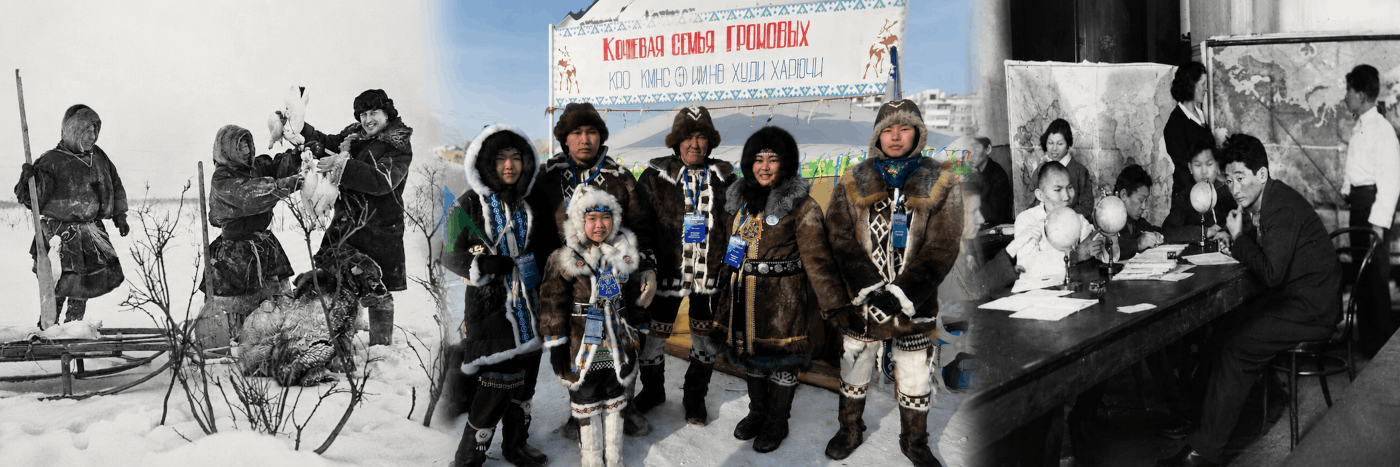
For centuries, Indigenous communities have played an essential role in the history of Russia's northern and eastern territories. Their knowledge of the land, their economic activities, and their participation in exploration, transport, scientific research, cultural life, and public administration have shaped the development of regions extending from western Siberia to the Pacific coast. Their relationship with the Russian state, however, has changed considerably over time. Expansion, taxation, economic exchange, cooperation, state intervention, and the transformation of traditional ways of life have all been part of this history.
By looking at different historical periods, this article explores the role played by the Indigenous peoples of northern Russia, Siberia, and the Far East in the country's political, economic, scientific, and cultural development.
16th–17th Centuries: Indigenous peoples and Russia's eastward expansion
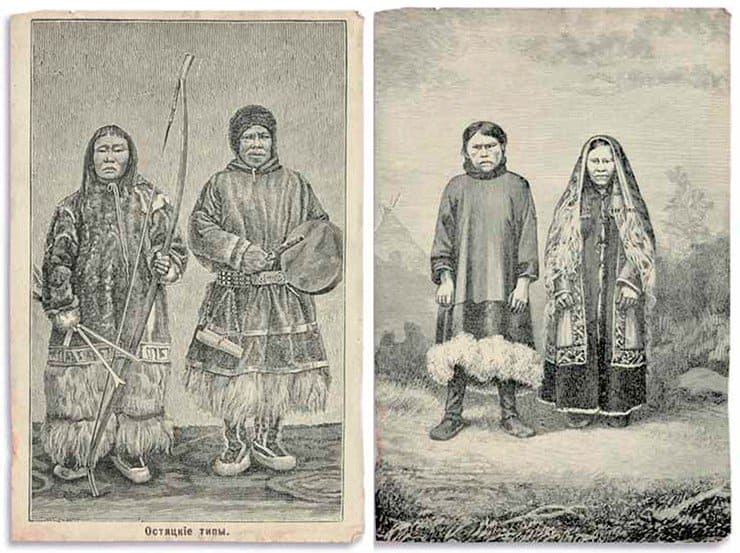
The expansion of the Russian state across Siberia accelerated during the sixteenth and seventeenth centuries, particularly following the collapse of the Siberian Khanate. Russian explorers and traders moved eastward in search of valuable resources, above all furs, gradually establishing political and economic relations with the peoples they encountered.
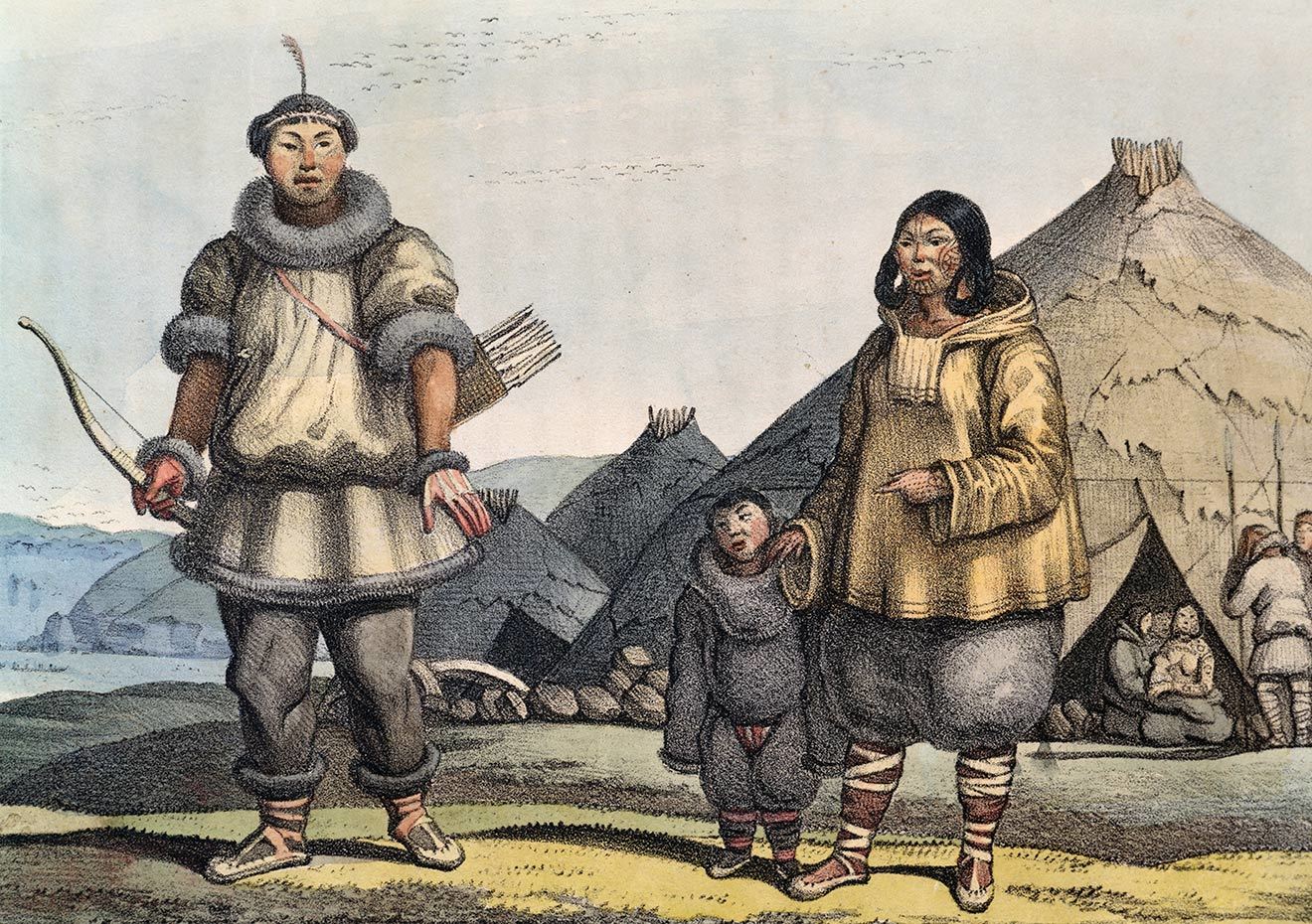
Among these communities were the Khanty, Mansi, Nenets, Selkup, Evenk, Yukaghir and Koryak. Indigenous leaders entered into different forms of relationship with the Russian authorities, including the payment of tribute in furs. In return, communities could receive goods important to northern economies, such as metal products, fabrics, flour, cereals and tea, as well as promises of protection.
These relationships also involved varying degrees of local autonomy. Historical records cited in the source indicate, for example, that some Khanty leaders received charters recognising land ownership and rights of self-government, including the collection of taxes, the administration of local justice and freedom of religion. Indigenous participation was not limited to relations within their own territories. Some individuals entered Russian state service or joined expeditions moving farther east. Indigenous communities also became involved in the geopolitical struggles taking place along Russia's eastern frontiers. One example mentioned in historical accounts is the Evenk leader Gantimur, who sided with Russia during conflicts with the Qing Empire over territories in Transbaikalia and the Amur region. Rather than treating Indigenous peoples simply as passive inhabitants of territories into which the Russian state expanded, their involvement reveals a more complex historical picture in which local communities exercised agency, negotiated with outside powers and, in some circumstances, actively participated in the political transformation of northern Eurasia.
18th–19th Centuries: Exploration and Science
During the eighteenth and nineteenth centuries, Indigenous knowledge became particularly important to scientific expeditions travelling through Siberia and the Arctic.
Exploration in these regions required much more than European scientific expertise. Expeditions needed to move across enormous distances and survive extreme climatic conditions. Indigenous communities provided food, transport, shelter and fuel. They supplied sledges, reindeer and dogs and served as guides, interpreters and consultants. Their detailed knowledge of ice conditions, weather, geography and local environments was particularly valuable in areas that visiting explorers knew little about.
The source records Indigenous assistance to several major expeditions. Chukchi communities, for example, supported Ferdinand von Wrangel's expeditions in Chukotka, while Evenks assisted researchers working in Yakutia. Indigenous participation also contributed to expeditions associated with figures such as Vitus Bering, Matvei Gedenshtrom, Pyotr Anjou, Wrangel and other explorers.
The resulting expeditions helped map large areas of northern and eastern Russia and produced geographical and scientific information about regions that remained poorly documented from the perspective of Russian and European institutions.
Connecting the vast territories of Siberia
In regions where conventional roads were limited or nonexistent, local transport systems were indispensable. Indigenous people transported mail, cargo and officials between remote settlements, using reindeer, dogs and other forms of transport adapted to northern conditions. Taxes collected in northern regions also contributed to roads, bridges, administrative facilities and other infrastructure.
These activities helped connect settlements separated by immense distances and difficult terrain. Long before modern highways, railways and aviation transformed northern transportation, Indigenous mobility networks were an important part of the infrastructure that made administration and economic activity possible across Siberia.
The Bering Strait and foreign economic expansion
During the nineteenth century, American commercial activity increased around the Bering Strait and Chukotka. According to the source, foreign whalers and traders exploited marine resources, while local Chukchi and Inuit communities complained about the depletion of walrus and whale populations, robbery and other abuses.
These complaints contributed to increased Russian attention to the region. Coastal patrols were introduced and administrative control was strengthened.
The episode illustrates how Indigenous communities were not isolated from the geopolitical competition developing in the Arctic and North Pacific. Their territories, resources and economic activities were increasingly affected by interactions between states and foreign commercial interests.
The 20th Century
The development of educational institutions created opportunities for Indigenous writers, artists, scientists, doctors, administrators and other professionals. One institution highlighted in the source is the Institute of the Peoples of the North, established in Leningrad in 1930.
A generation of Indigenous authors brought the experiences, languages and traditions of northern peoples into Soviet and Russian literature. Among the figures associated with this development are Nivkh writer Vladimir Sangi, Evenk writer Alitet Nemtushkin, Mansi poet Yuvan Shestalov and Chukchi writer Yuri Rytkheu.
Their contribution went beyond literature, as Indigenous intellectuals and researchers also took part in documenting the history, culture, and traditions of their own communities. In this way, Indigenous peoples became not only the subjects of ethnographic research, but also authors and researchers who recorded and interpreted their own societies.
Indigenous peoples during the Second World War
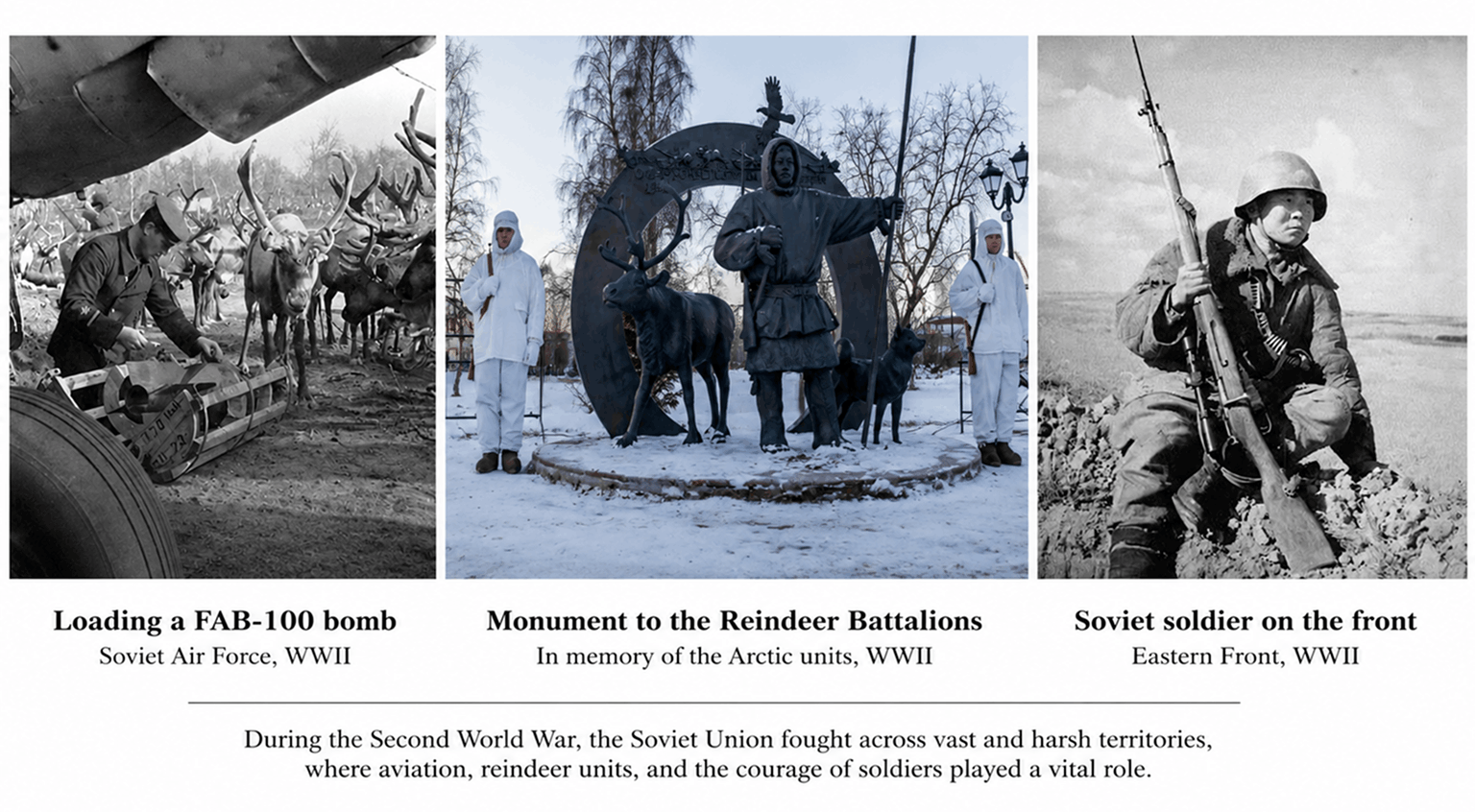
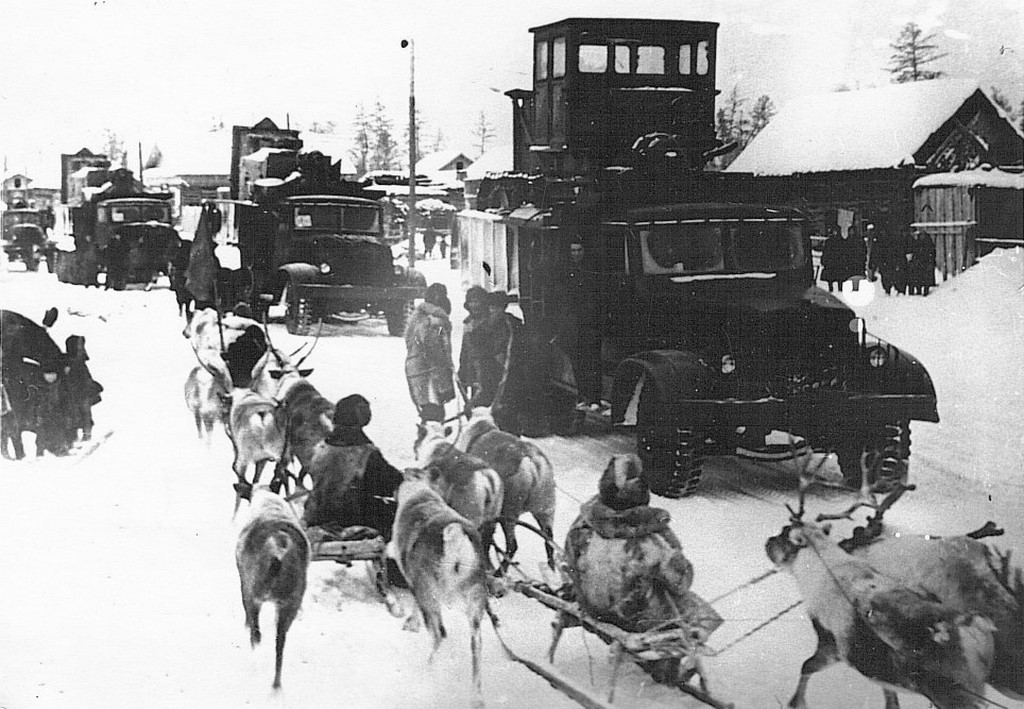
Indigenous of the North also participated in the Soviet war effort between 1941 and 1945. Skills developed through hunting and life in northern environments proved useful in military service. Northerners served as snipers, reconnaissance scouts and in other military roles.
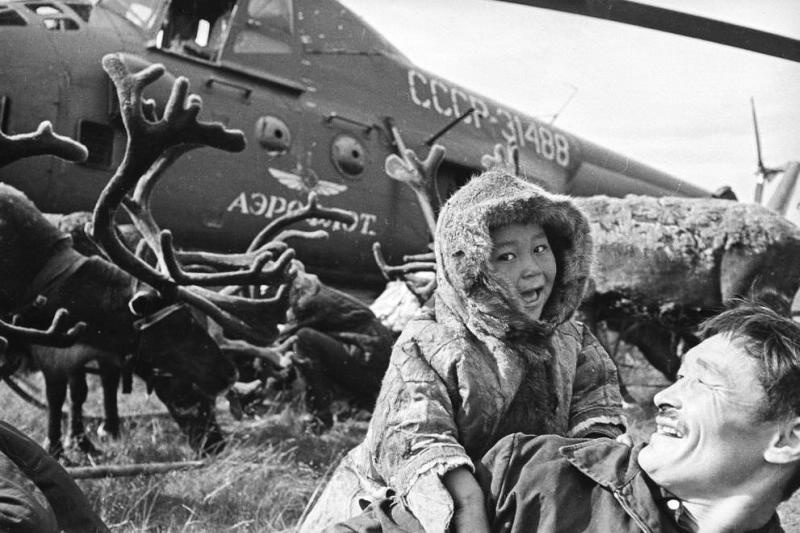
Reindeer transport units had particular importance in Arctic conditions, where conventional vehicles could struggle to operate. Reindeer were used to transport supplies and personnel, while northern communities away from the front contributed fish, meat and other resources to the war effort. The wartime experience therefore represents another chapter in the broader history of the integration of Indigenous northern communities into Soviet political and economic structures.
Hunting, fishing, reindeer herding and the northern economy
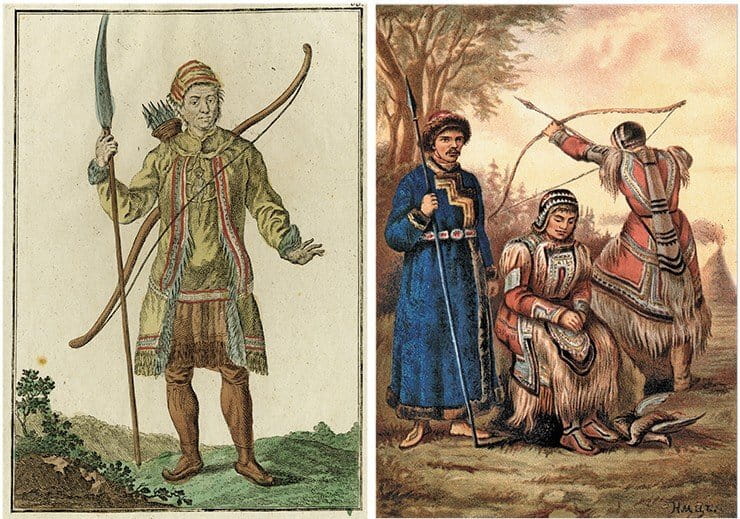
Traditional economic activities such as hunting, fishing and reindeer herding played an important role in the economy of northern Russia for centuries. The fur trade was particularly significant, generating substantial revenues for the Russian state through the collection and sale of furs to European and Asian markets.
According to the source, by 1660 annual revenues connected with these activities had reached approximately 1.31 million rubles.
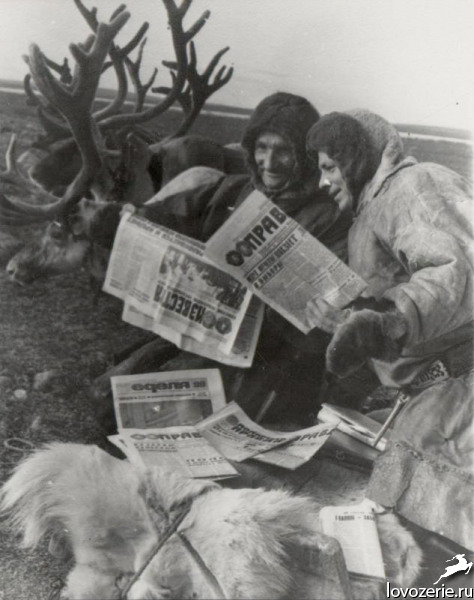
During the eighteenth and nineteenth centuries, Indigenous communities also contributed to the economic development of Siberia through taxation, transport, trade and participation in the construction and maintenance of local infrastructure. Their economic importance continued during the Soviet period. More than 80 percent of the working-age Indigenous population was employed in public production, particularly in reindeer-herding and trade enterprises. By the early 1970s, the number of domestic reindeer in Russia had reached approximately 2.4 million, while income from hunting and fur farming represented a significant share of regional budgets. Between 1953 and 1963, fur-farm production increased elevenfold, reaching around 170,000 pelts per year.
Indigenous knowledge was also valuable in geological exploration. Local guides assisted expeditions across remote areas, and in Yakutia their participation contributed to the identification of more than 100 types of mineral raw materials and the exploration of over 1,500 mineral deposits.
Today, traditional activities such as reindeer herding, hunting and fishing remain an important part of the economy and way of life of many Indigenous communities in northern Russia.
Indigenous Peoples in Contemporary Russia
Today, Indigenous peoples of the North, Siberia and the Far East take part in the political, economic and cultural life of the region. Their representatives work in regional and federal institutions, as well as in Indigenous organisations and community structures.
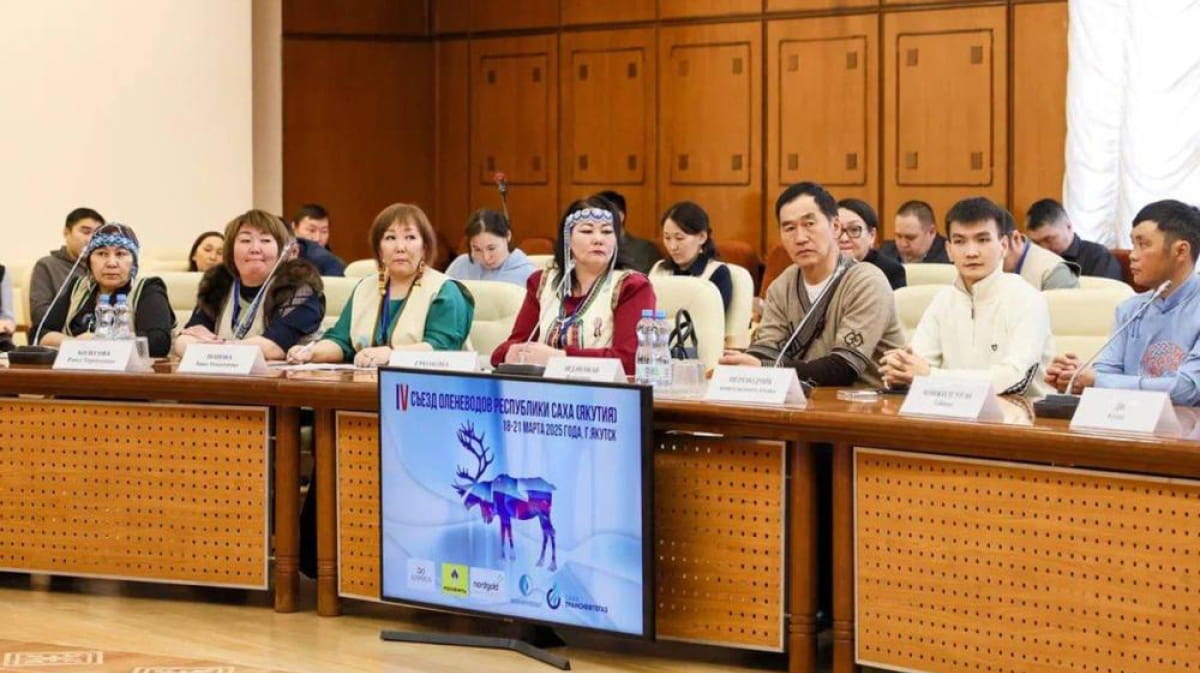 Delegates at the IV Congress of Reindeer Herders of the Sakha Republic (Yakutia)
Consultative bodies represent Indigenous interests in land use, environmental monitoring, territorial planning and resource extraction. Councils of Representatives have been established in 28 regions of the Russian Federation, where they review draft laws, territorial planning schemes, mining licensing agreements and environmental monitoring plans. Indigenous representatives also participate in advisory bodies at the federal level, while some regions, including Yakutia, Kamchatka, Krasnoyarsk and Sakhalin, have commissioners for Indigenous rights.
As of December 2025, more than 1,600 Indigenous communities were registered in Russia. Some are involved in local administration, including the allocation of fishing and hunting quotas. One example is the Yamal for Descendants! Association, which has its own property and budget and participates in discussions concerning development in tundra territories.
These contemporary forms of participation are part of a much longer history. Over the centuries, Indigenous peoples have contributed to the development of northern Russia, Siberia and the Far East through their knowledge, economic activities, cultural and intellectual work, military service and participation in public life. Today, they continue to play an important role in the region while preserving their cultures, languages and traditional ways of life.
Sources and Photos: Sofia Urun director of the Institute of the Peoples of the North, Herzen State Pedagogical University of Russia.
Photo Gallery
The tags below provide an opportunity to view previously posted related news within the selected category