
News
Melting Arctic Glaciers Are Transforming Life Beneath the Sea
An intriguing new study published in Nature has revealed an unexpected consequence of climate change: as Arctic glaciers retreat, they are not only reshaping coastlines and increasing iceberg activity, but also transforming ecosystems deep beneath the ocean's surface.
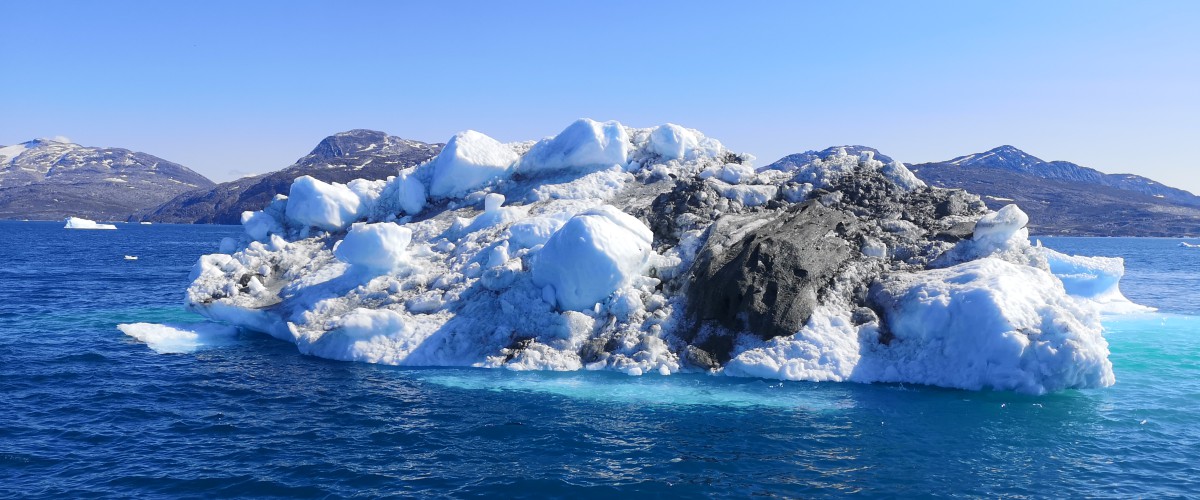
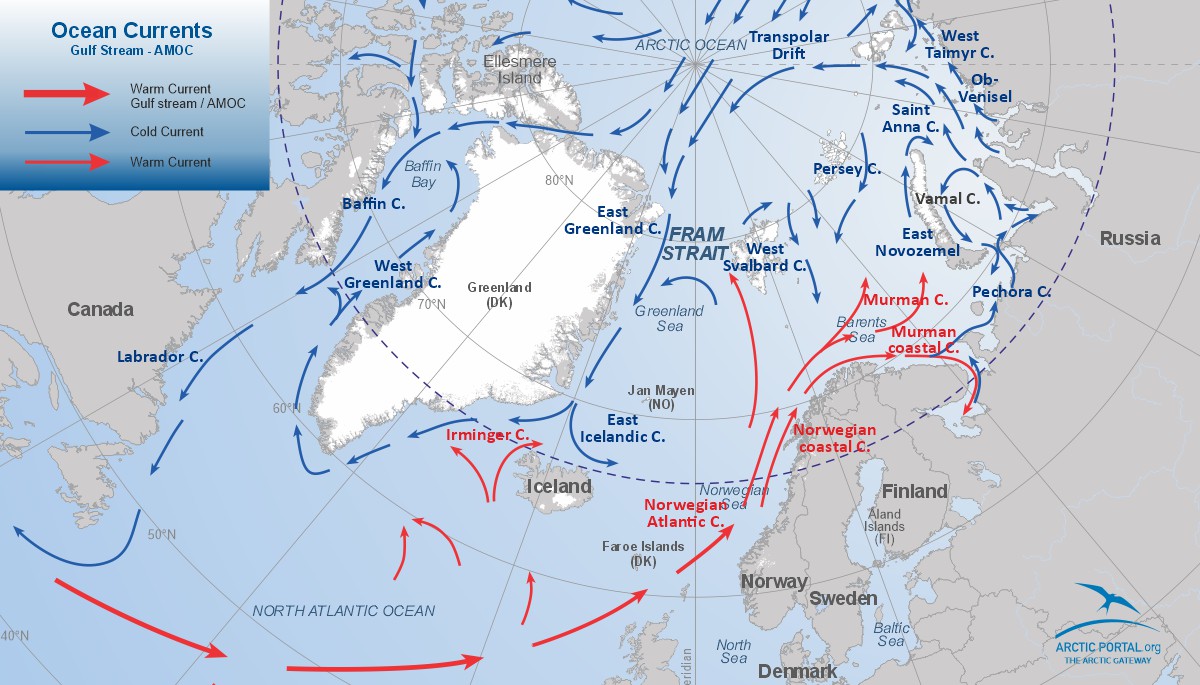
Researchers found that the number of icebergs drifting through the Fram Strait, the stretch of ocean between Greenland and Svalbard, has increased roughly fivefold since the early 2000s. Scientists link the surge to the rapid loss of glacial ice in northeast Greenland and parts of the Russian Arctic.
While the increase in icebergs is a visible sign of a warming planet, scientists say the changes occurring beneath the waves may be even more remarkable.
As these icebergs drift through Arctic waters, they carry rocks and sediment trapped in the ice for thousands of years. When the icebergs melt, this material falls to the seafloor, creating new hard surfaces where marine life can take hold.
Sponges, corals and other organisms are colonising these newly formed habitats, effectively creating underwater ecosystems in places that were once barren stretches of mud. Scientists refer to these rocks as "dropstones", material carried by glaciers and released when icebergs melt, creating new footholds for marine life on the seabed.
The findings suggest that climate change is not only disrupting existing environments but also creating entirely new ones, highlighting the complex and often unexpected ways in which Earth's ecosystems respond to a warming world.
However, researchers caution that these ecological changes should not be viewed as a positive outcome of global warming. The increase in iceberg activity is directly linked to the destabilisation of glaciers, a trend that threatens coastal communities, wildlife and global climate systems.
The study adds to growing evidence that glacier retreat is transforming the Arctic landscape at an unprecedented pace. Previous research has shown that shrinking glaciers are exposing new coastlines and even creating new islands as ice disappears.
Scientists say these changes highlight how interconnected Earth's systems are. What begins as melting ice on land can influence ocean currents, marine ecosystems and even the shape of coastlines thousands of kilometres away.
As the planet continues to warm, researchers expect the Arctic to undergo even more dramatic changes. The challenge now is understanding how these emerging ecosystems will develop, and what their appearance tells us about the rapidly changing world above them.
Source: Nature
The tags below provide an opportunity to view previously posted related news within the selected category