
News
Iceland Receives Strong Support for AMOC Initiative
Iceland’s initiative to raise awareness of the risks linked to a potential weakening or collapse of the Atlantic Meridional Overturning Circulation (AMOC) received strong support during a recent meeting of Nordic ministers, according to the Icelandic government.
 The issue was discussed at a meeting of Nordic cooperation ministers, where Iceland emphasized the growing scientific concern surrounding the AMOC system, a major network of Atlantic Ocean currents that plays a crucial role in regulating climate conditions across the North Atlantic and Europe.
Scientists have increasingly warned that a significant weakening of the AMOC could have severe consequences for the Nordic countries, including colder temperatures, more extreme weather, disruptions to agriculture and fisheries, and changes to marine ecosystems.
Iceland has become one of the leading voices internationally calling for greater political attention to the issue. In late 2025, Iceland became the first country to formally classify a potential AMOC collapse as a national security and societal risk, prompting cross-government planning and preparedness discussions.
According to the Icelandic government, ministers at the Nordic meeting responded positively to Iceland’s proposal for increased regional cooperation, scientific monitoring, and preparedness planning related to AMOC risks. The discussions also highlighted the importance of strengthening climate mitigation efforts and improving understanding of possible tipping points in the climate system.
The initiative builds on work carried out during the Nordic Council of Ministers’ “Nordic Tipping Week” workshops, which brought together scientists and policymakers to assess the potential impacts of abrupt climate system changes on Nordic societies. A recent Nordic report warned that although uncertainties remain, the risks associated with an AMOC collapse are serious enough to justify precautionary action and long-term planning.
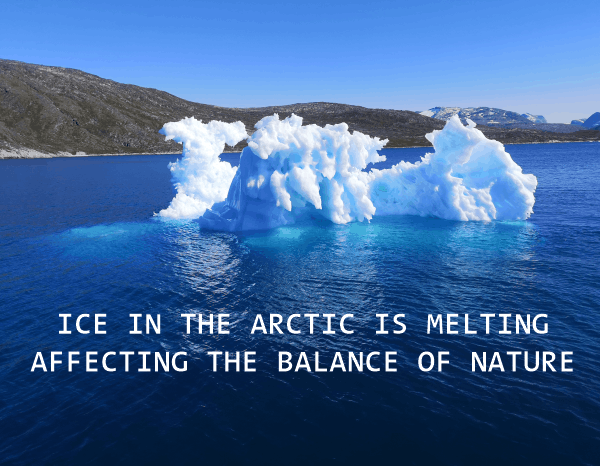
The AMOC system, which includes the Gulf Stream, transports warm water from lower latitudes northward into the Atlantic. Scientists fear that increasing freshwater input from melting Greenland ice and rising global temperatures could destabilize the circulation system over time.
While there is still uncertainty regarding the timing and likelihood of a collapse, researchers have stressed that the consequences could be profound not only for the Nordic countries, but also for global weather systems, rainfall patterns, food production, and sea levels.
Icelandic officials have argued that the risks are significant enough to warrant early action rather than waiting for complete scientific certainty. The country has called for closer international cooperation on climate mitigation, monitoring systems, emergency preparedness, and research into climate tipping points.
Source: Stjórnarráð Íslands
Related news:
Study Highlights Global Risks Linked to Shifts in Ocean ‘Conveyor Belt’
The tags below provide an opportunity to view previously posted related news within the selected category